
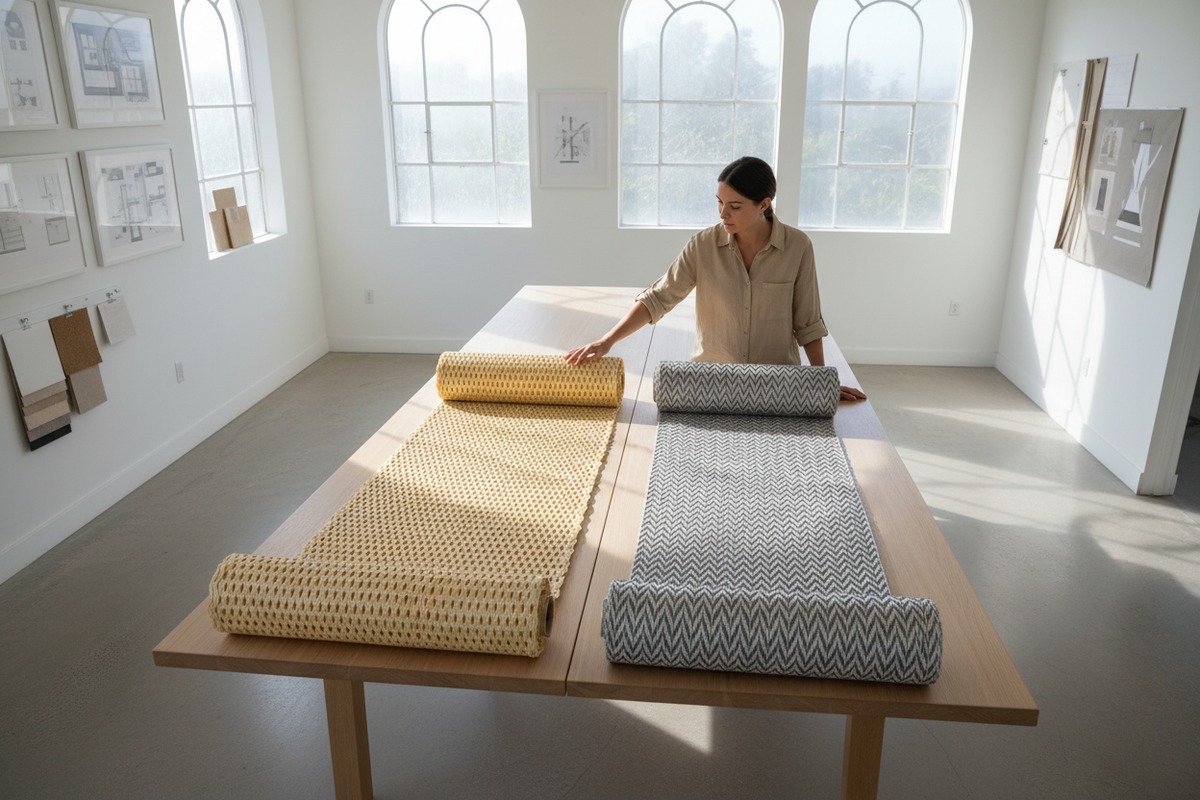
Every week, our sales team at Seafan Rattan fields the same question from furniture factories and wholesalers across Europe, Southeast Asia, and the Middle East: should I go natural or synthetic?
Natural rattan cane webbing delivers authentic organic texture, eco-friendly appeal, and superior breathability for indoor furniture, while synthetic rattan webbing offers weatherproof durability, low maintenance, and consistent quality for outdoor and commercial use. Your ideal choice depends on application, climate, and budget priorities.
Both materials have real strengths and real limits polypropylene (PP) 1. This guide breaks down every angle — from durability and cost to aesthetics and sustainability — so you can make the right call for your next order. Let’s dig in.
How do I decide between natural and synthetic rattan for my outdoor furniture projects?
We ship rattan cane webbing 2 to patio furniture makers in Thailand, Australia, and the Middle East every month. The outdoor climate question comes up in almost every first conversation hexagonal open-mesh 3.
To decide between natural and synthetic rattan for outdoor furniture, assess your local climate, maintenance capacity, and target customer expectations. Synthetic rattan wins in rain, humidity, and UV-heavy environments, while natural rattan suits sheltered outdoor spaces with mild, dry conditions.

Start With Your Climate
Climate is the single biggest factor. Natural rattan is a plant fiber 4. It absorbs moisture, swells in humidity, and cracks under prolonged UV exposure 5. In our experience exporting to the Middle East and Southeast Asia, natural rattan used outdoors without shelter rarely lasts more than one to two years. Synthetic rattan — usually made from polyethylene (PE) 6 or polypropylene (PP) — resists all of these forces. It won't crack, fade, or grow mold even after years of direct sun and rain.
We had a long-term client in Phuket, Thailand, who initially ordered natural rattan webbing for resort patio chairs. Within eight months, the webbing showed visible cracking and discoloration. He switched to our PE synthetic webbing, and those same chairs are still in service three years later.
Consider Your Maintenance Budget
Natural rattan demands care. You need to seal it, store it during storms, and clean it regularly. Synthetic rattan? A damp cloth and mild soap. That's it. For commercial projects like hotels and restaurants, maintenance labor adds up fast.
Match Material to Customer Expectations
Some end customers want the warm, organic look of real rattan — imperfections and all. Others want consistency, uniformity, and zero upkeep. Know your buyer.
| Factor | Natural Rattan | Synthetic Rattan |
|---|---|---|
| UV Resistance | Low — fades and cracks | High — UV-stabilized PE |
| Moisture Resistance | Low — absorbs water, mold risk | High — waterproof |
| Maintenance | High — sealing, indoor storage | Low — wipe clean |
| Outdoor Lifespan | 1–2 years unprotected | 5–10+ years |
| Best Climate Fit | Dry, mild, sheltered | Any — including tropical and coastal |
The Hybrid Option
A growing trend we see from our factory floor is hybrid furniture design. Some manufacturers use a synthetic frame with natural rattan accents in sheltered areas. This gives the outdoor durability where it matters most, and the premium organic look where customers can appreciate it.
The bottom line: if your furniture will face rain, humidity, or strong sun, synthetic is the safer investment. If it's a covered porch or a dry patio in a mild climate, natural can work — but only with committed upkeep.
Which material offers the best long-term durability for my high-end furniture manufacturing?
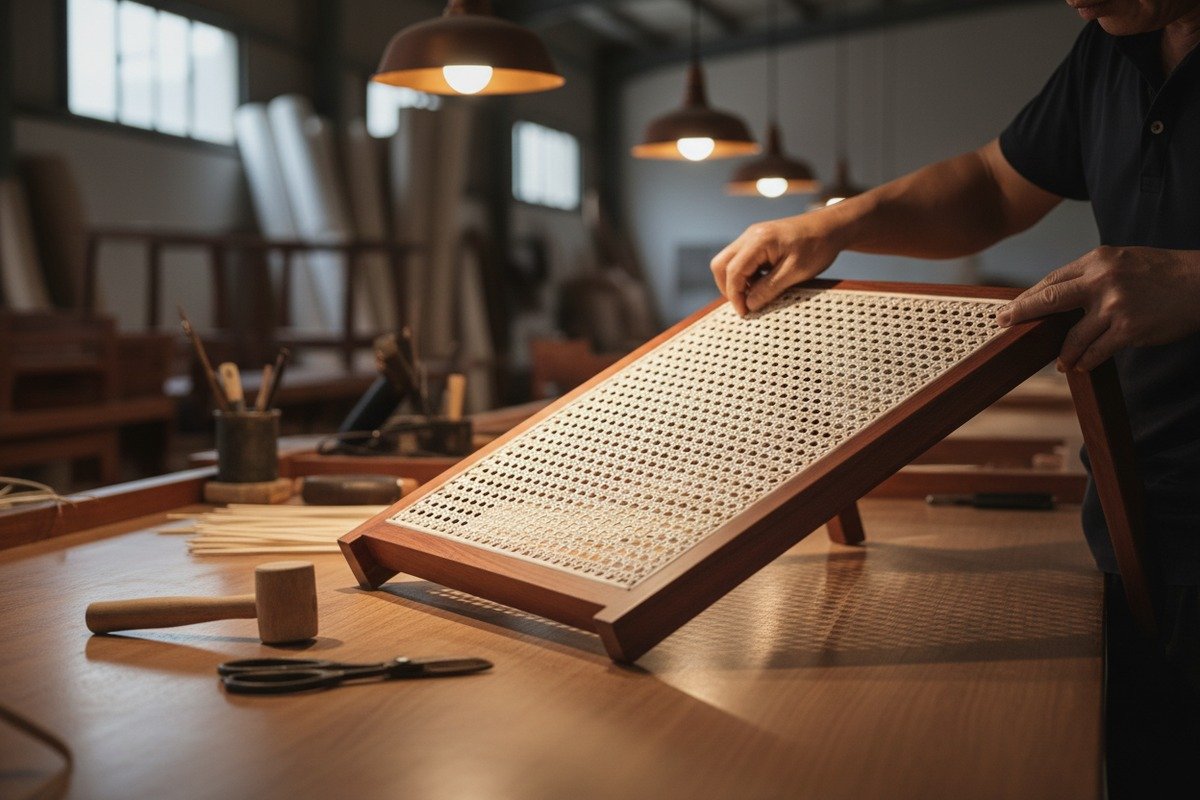
When we run durability tests at our processing facility in Indonesia, the gap between natural and synthetic rattan becomes very clear under stress conditions.
For high-end furniture manufacturing, the best long-term durability depends on use case. Synthetic rattan outperforms natural in structural strength, weather resistance, and lifespan for outdoor pieces. Natural rattan excels in indoor durability, offering decades of service when properly maintained in controlled environments.
Understanding What "Durability" Really Means
Durability is not one thing. It includes resistance to weather, resistance to wear, structural integrity, and repairability. Let's break each one down.
Weather resistance: Synthetic rattan is the clear winner. PE and PP materials do not absorb water, do not crack under UV, and do not support mold growth. Natural rattan, on the other hand, is hygroscopic — it pulls moisture from the air. In humid factories in Southeast Asia, we've seen improperly stored natural webbing develop mold spots within weeks.
Wear resistance: For indoor seating, natural rattan actually performs well over time. It softens with use, conforms to the body, and develops a warm patina. Many antique cane chairs are 50–100 years old and still functional. Synthetic rattan holds its shape rigidly but does not develop that same character.
Structural integrity: The core of the rattan palm is thick and strong — ideal for furniture frames. The outer cane, used for webbing, is thinner and more pliable. Synthetic webbing matches or exceeds natural cane in tensile strength 7, especially in large-span applications like chair backs and headboards.
Repairability: A Hidden Advantage for Natural
Here is something many buyers overlook. Natural rattan cane webbing can be repaired by skilled artisans. A broken strand can be re-woven. A sagging seat can be re-caned. Synthetic webbing, once damaged, is much harder to repair seamlessly. For luxury furniture brands that offer lifetime warranties or restoration services, natural rattan has a real edge here.
Durability Comparison by Application
| Application | Better Choice | Why |
|---|---|---|
| Outdoor patio chairs | Synthetic | Weatherproof, no maintenance |
| Indoor dining chairs | Natural | Comfort, patina, repairability |
| Hotel lobby furniture | Synthetic | High traffic, easy cleaning |
| Antique restoration | Natural | Authentic material match |
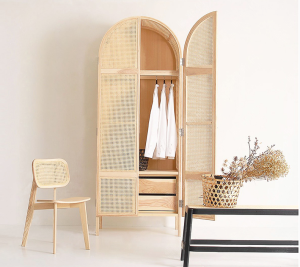
| Cabinet door inserts | Natural | Breathability, aesthetic warmth |
| Poolside loungers | Synthetic | Chlorine and splash resistance |
The 80/20 Rule in Today's Market
Industry data suggests that roughly 80–90% of outdoor rattan furniture now uses synthetic material. The shift has been dramatic since 2020, driven by the boom in home outdoor living spaces. But for indoor luxury and artisanal pieces, natural rattan still commands the premium position. Our factory produces both, and we see demand for each growing — just in different channels.
In short, "best durability" depends entirely on where the furniture lives. Outdoors, synthetic wins hands down. Indoors, natural rattan's longevity is proven by centuries of use.
How will the price difference between natural and PE rattan impact my wholesale margins?
Running three factories and working with over 30 partner facilities in Foshan gives us a clear window into the real cost picture — not just the unit price, but the total cost of ownership.
The price gap between natural and PE synthetic rattan impacts wholesale margins through upfront material cost, maintenance liability, return rates, and product lifespan. Natural rattan has a lower purchase price per meter but higher total cost due to care requirements, while synthetic costs more upfront but delivers stronger long-term margin protection.

Raw Material Cost Breakdown
Natural rattan cane webbing is generally cheaper per square meter at the point of purchase. The raw material comes from rattan palms grown in Indonesia, Malaysia, and the Philippines. Our own rattan processing facility in Indonesia gives us direct access to these supply chains. Synthetic PE webbing costs more to produce because of the polymer extrusion, UV-stabilizer additives, and precision weaving machinery involved.
But the purchase price is just the starting point.
Total Cost of Ownership
For wholesale buyers and furniture factories, the total cost of ownership (TCO) 8 tells the real story. Natural rattan products require more packaging protection (humidity-controlled wrapping, rigid crating), generate higher return and complaint rates in humid markets, and may need customer-facing care instructions and accessories like sealant kits.
Synthetic rattan ships more easily, stores without climate control, and creates almost zero warranty claims related to material degradation.
| Cost Factor | Natural Rattan | Synthetic PE Rattan |
|---|---|---|
| Unit price per sqm | Lower | Higher (15–40% more) |
| Shipping & packaging cost | Higher (moisture protection) | Standard |
| Warranty / return rate | Higher (climate-related claims) | Very low |
| End-user maintenance cost | 20–30% added lifetime expense | Near zero |
| Product lifespan (outdoor) | 1–2 years | 5–10+ years |
| Replacement frequency | High | Low |
| Overall margin impact | Thinner long-term margins | Stronger long-term margins |
Pricing Strategy for Wholesalers
If you supply indoor furniture factories in Europe or the US, natural rattan can deliver excellent margins. The perceived value of authentic, eco-friendly rattan commands premium retail pricing, and the indoor application avoids the durability concerns that erode margins through returns.
If you supply outdoor furniture markets — especially in tropical or coastal regions — synthetic is the margin-safe play. The higher upfront cost is offset by near-zero after-sales issues and longer product lifecycles, which means fewer reorders for replacements and more reorders for new projects.
A Note on Volume Pricing
At our scale, we offer competitive pricing on both natural and synthetic webbing. When clients order in bulk — say 2,000+ square meters — the per-unit gap between natural and synthetic narrows significantly. We encourage our wholesale partners to request samples and quotes for both, then model the TCO for their specific market before committing.
The smartest buyers we work with don't just compare line-item prices. They calculate the full margin picture, including logistics, returns, and customer satisfaction. That's where the real difference shows.
Our product development team spends a lot of time comparing weave patterns, color tones, and texture finishes between our natural and synthetic lines. This question gets personal for us because we take pride in both.
You can achieve a very close premium look with high-quality synthetic webbing, but it will not be identical to natural rattan. Modern PE weaves replicate classic patterns like hexagonal open-mesh and basketweave convincingly, yet natural rattan's organic color variation, matte fibrous texture, and tactile warmth remain difficult to fully duplicate in plastic.
Where Synthetic Gets Very Close
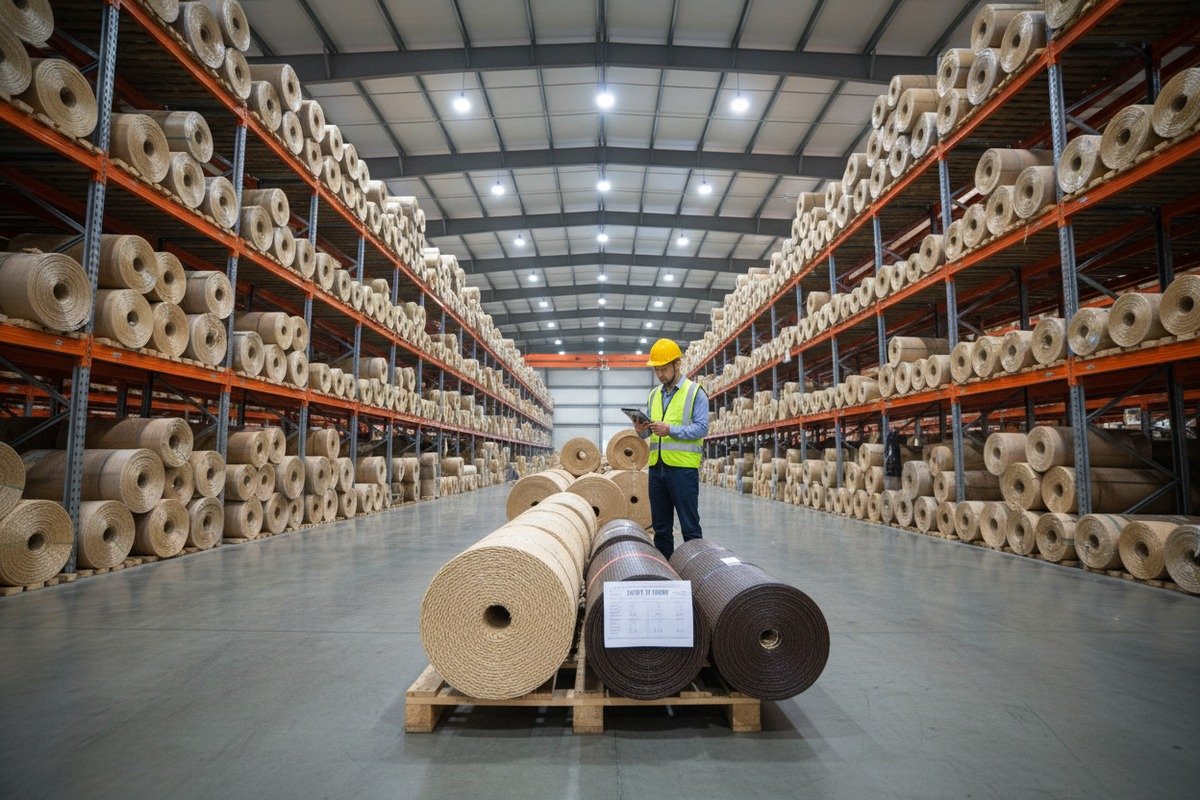
Modern synthetic rattan has come a long way. Today's PE webbing can replicate intricate patterns — chevron waves, diamond motifs, classic radio weaves — with remarkable precision. The color palette now extends well beyond basic brown. We produce synthetics in warm beige, straw yellow, cream, and even custom-dyed vibrant shades that natural rattan simply cannot offer.
From a distance of three feet or more, a well-made synthetic webbing panel can be nearly indistinguishable from natural. This is why many hotel chains and restaurant designers now specify synthetic for both indoor and outdoor furniture without sacrificing the premium aesthetic they need.
Where Natural Rattan Still Wins
Up close, the difference becomes clear. Natural rattan has inherent irregularities — subtle color shifts within a single strand, slight thickness variations, a soft matte surface that feels warm under your fingers. These "imperfections" are actually what give natural rattan its luxury character. Interior designers working on high-end residential projects, eco-hotels, and boutique spaces often insist on natural for this reason.
Natural rattan also breathes. In cabinet doors and enclosed spaces, this breathability prevents musty odors and adds functional value that synthetic cannot match. For furniture backs on dining chairs, the natural elasticity provides a gentle give that molds to the user over time. Synthetic holds its shape more rigidly — supportive, but less personal.
The Identification Gap
For buyers concerned about authenticity claims, there are simple identification methods. Natural rattan shows color inconsistencies and weave irregularities under close inspection. The texture feels fibrous and slightly rough. In a burn test, natural rattan burns to ash with white or gray smoke. Synthetic melts and produces black or green smoke with a plastic residue. These are important quality-check tools for purchasing managers who need to verify incoming shipments.
The Trend Toward "Authentic-Look" Synthetics
One of the most exciting trends we're seeing in 2025 is the development of recycled PE synthetics that intentionally mimic the subtle imperfections of natural rattan. These next-generation materials use mixed-tone coloring and slightly varied strand widths to create a more organic appearance. They're not perfect replicas, but they close the gap significantly — and they appeal to eco-conscious buyers who want the sustainability story of recycled plastic combined with a natural look.
Indoor Air Quality Consideration
One often-overlooked advantage of natural rattan: it contributes to better indoor air quality. Natural plant fibers emit fewer volatile organic compounds (VOCs) 9 than some synthetic materials. For health-focused residential and hospitality projects, this can be a meaningful selling point.
For most commercial and outdoor applications, today's synthetic webbing delivers a premium look that satisfies the vast majority of end customers. But for luxury indoor projects where touch, texture, and authenticity matter most, natural rattan remains the gold standard.
Conclusion
Choosing between synthetic and natural rattan cane webbing comes down to your specific application, climate, budget, and customer expectations. Both materials have earned their place in modern furniture manufacturing. Synthetic dominates outdoor and commercial projects for its durability and low maintenance. Natural rattan holds its premium position in indoor luxury, eco-conscious design, and artisanal craftsmanship. At Seafan Rattan, we produce and supply both — because the best choice is always the one that fits your project. Reach out to our team at www.rattanwholesaler.com to request samples and pricing for your next order.
Footnotes
1. Found an authoritative Wikipedia page for polypropylene. ↩︎
2. Explains what rattan cane webbing is, its origin, and use. ↩︎
3. Describes a common weaving pattern used in cane webbing. ↩︎
4. Defines plant fiber as a natural material source. ↩︎
5. Found an authoritative source (WHO) defining UV radiation and its effects. ↩︎
6. Found an authoritative Wikipedia page for polyethylene. ↩︎
7. Defines tensile strength as a material’s resistance to breaking under tension. ↩︎
8. Found an authoritative Wikipedia page for total cost of ownership. ↩︎
9. Defines VOCs and their relevance to indoor air quality. ↩︎
 English
  Español de México
  العربية
  Deutsch
  Français
  Русский