

Every week, our sales team fields dozens of inquiries from furniture factories and wholesalers who struggle to pin down the exact rattan cane webbing 1 size they need. The wrong mesh, the wrong width, or the wrong grade can derail an entire production run — wasting time, money, and trust with end customers.
Standard rattan cane webbing is most commonly available in 18-inch, 24-inch, and 36-inch widths, with 50-foot roll lengths. The most popular mesh size is 1/2-inch hole spacing, measured center to center. Quality grades range from premium Grade A to lower tiers, and most specifications can be customized for bulk orders.
Below, we break down every specification you need to know — from widths and roll lengths to mesh size 2s, quality grades, and custom options. Whether you are restocking your warehouse or sourcing for a new furniture line, this guide covers it all.
What standard widths and roll lengths are available for my bulk rattan orders?
Sorting through supplier catalogs can be overwhelming when every factory lists different widths and lengths. Our production lines in Indonesia and Foshan run specific mold widths daily, so we see firsthand which sizes move fastest and which ones sit on shelves.
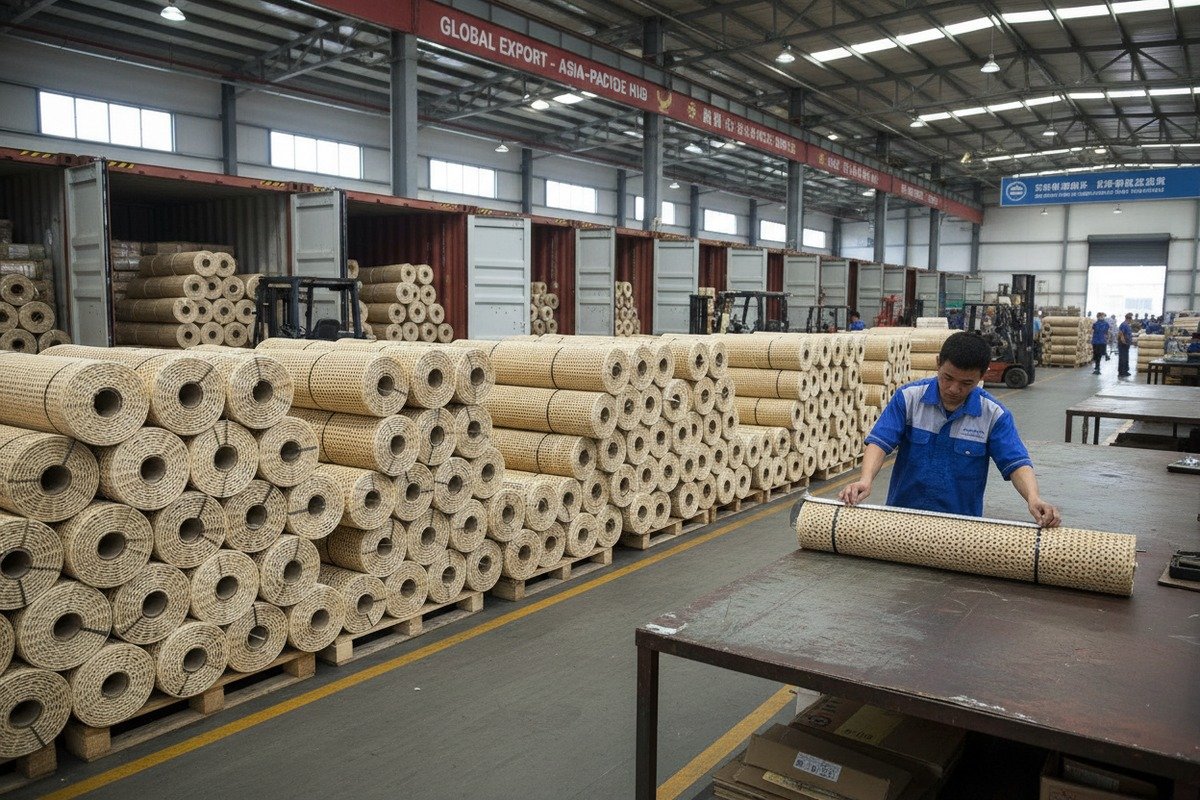
Standard rattan cane webbing widths include 18 inches, 24 inches, and 36 inches, with rolls typically running 50 feet (approximately 15 meters) for natural cane. Synthetic PE cane webbing rolls extend to 30 meters. Smaller cuts by the running foot are also available for sample or small-batch orders.
Common Width Options
Most bulk buyers order one of three standard widths. The 18-inch width fits most dining chair seats and small cabinet panels. The 24-inch width covers larger chair backs, headboards, and sideboards. The 36-inch width handles wide panels, room dividers, and commercial installations.
Some suppliers also stock narrower widths — 12 inches or even 11.5 inches (30 cm) — for specialty projects. On the wider end, rolls up to 39.5 inches (100 cm) serve large-scale architectural applications 3 like ceiling panels and wall cladding.
Roll Length Breakdown
Roll lengths vary depending on the material type and the supplier. Here is what you can expect:
| Material Type | Standard Roll Length | Notes |
|---|---|---|
| Natural Rattan Cane Webbing | 50 feet (15 meters) | Most common for furniture use |
| PE (Synthetic) Cane Webbing | 98 feet (30 meters) | Longer rolls reduce splicing |
| Natural Cane (Retail Cut) | 6 inches to 49 feet | Custom cutting available |
| Bleached Cane Webbing | 50 feet (15 meters) | Same as natural, different finish |
When placing bulk orders, we always recommend buying full rolls. Partial rolls cost more per foot and increase the risk of waste during production. For furniture factories running high-volume lines, we typically ship pallets of 50-foot rolls in the width that matches their jigs.
Width Selection Tips
Choosing the right width saves material and labor. Measure the widest panel in your production run. Then pick the standard width that gives you at least 2 inches of overhang on each side. This extra material is essential for tucking the webbing into grooves or wrapping it around frames.
For example, if your cabinet door opening is 14 inches wide, an 18-inch roll gives you 2 inches on each side. If the opening is 20 inches, step up to 24 inches. Avoid trimming from a 36-inch roll when a 24-inch roll would do — it cuts your material cost significantly.
Shipping costs also matter. Wider rolls weigh more per linear foot and take up more container space. We help our wholesale clients optimize container loading by mixing widths and stacking rolls efficiently.
How do I determine the right mesh size and hole spacing for my furniture designs?
One of the most frequent questions we hear from purchasing managers is about mesh size. Picking the wrong hole spacing changes the entire look and feel of a piece of furniture. Our design team works with clients daily to match the right mesh to the right application.
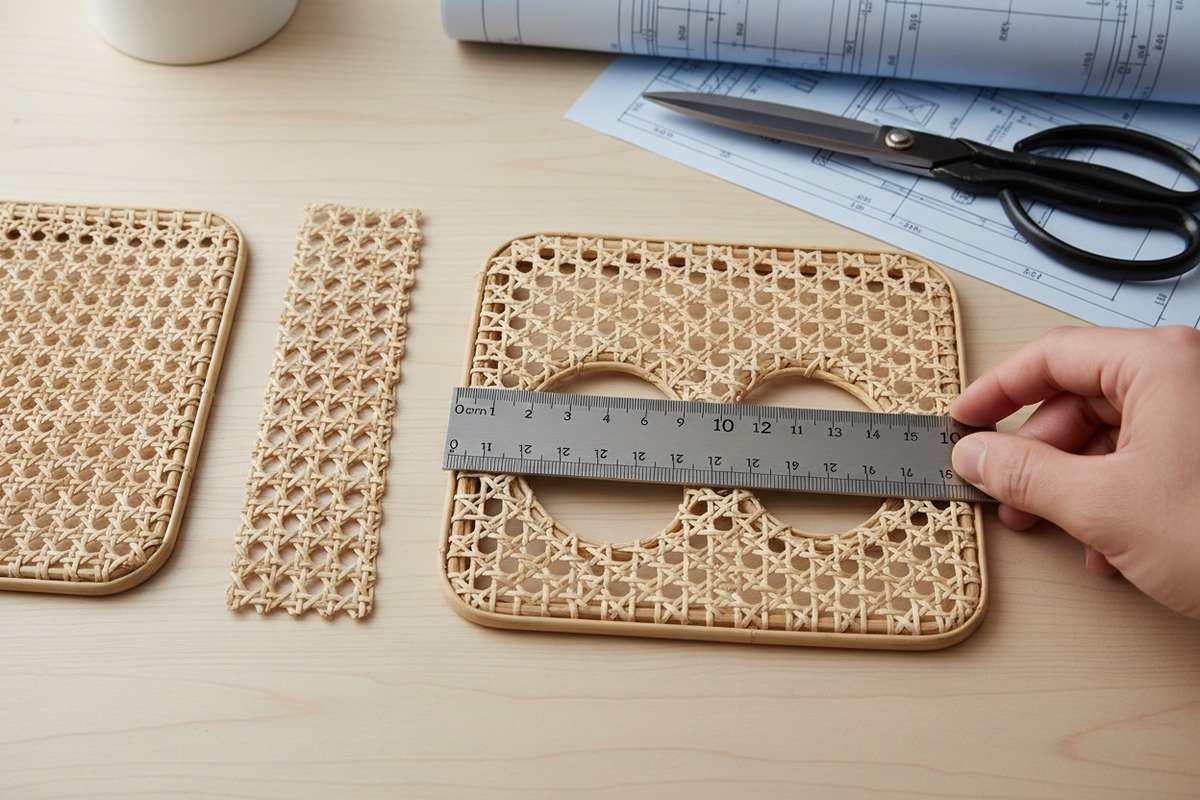
Mesh size is defined by the center-to-center distance between holes in the weave. The most popular option is 1/2-inch spacing, known as "Fine Open" cane. Other standard options include 3/8-inch, 7/16-inch, 5/8-inch, 3/4-inch, and 1-inch spacing. Finer meshes suit detailed restoration work, while larger meshes create a more open, contemporary look.
Understanding Hole Spacing Measurements
Hole spacing is always measured from the center of one hole to the center of the adjacent hole. This is critical. Some buyers mistakenly measure from edge to edge of the openings, which gives a smaller number and leads to ordering the wrong mesh.
A 1/2-inch mesh means each hexagonal opening is roughly 1/2 inch across, measured center to center. This creates a balanced look — open enough to see through slightly, but tight enough to provide solid visual coverage.
Mesh Size Comparison
| Mesh Size (Hole Spacing) | Common Name | Best Applications | Visual Density |
|---|---|---|---|
| 3/8 inch | Extra Fine | Antique restoration, delicate panels | Very tight weave |
| 7/16 inch | Fine | Traditional furniture, cabinet doors | Tight weave |
| 1/2 inch | Fine Open (Standard) | Chair seats, headboards, general use | Medium weave |
| 5/8 inch | Medium | Mid-century modern furniture | Slightly open |
| 3/4 inch | Medium Open | Decorative panels, room dividers | Open weave |
| 1 inch | Large Open | Contemporary designs, ceiling panels | Very open weave |
Matching Mesh to Furniture Style
Different furniture traditions call for different meshes. Victorian and antique pieces almost always use the finer 3/8-inch or 7/16-inch mesh. This tight weave matches the detailed craftsmanship of period furniture. If you are running a restoration line or selling to antique dealers, stock these sizes.
Mid-century modern designs typically use 1/2-inch or 5/8-inch mesh. These sizes complement the clean lines and open aesthetic of that era. Think of the classic Breuer Cesca chair 4 — it uses a medium-density weave that balances form and function.
Contemporary and Scandinavian-inspired furniture often pushes toward 3/4-inch or even 1-inch mesh. The larger openings create a light, airy feel. These are popular for headboards, sideboards, and decorative room dividers where visual weight needs to stay low.
Weave Patterns Beyond Mesh Size
Mesh size is only part of the equation. The weave pattern matters just as much. The classic hexagonal pattern 5 (sometimes called octagonal or star pattern) is the most common. It has a traditional look and works across most furniture styles.
Radio weave (square pattern) offers a more geometric, structured appearance. It is popular for Art Deco and transitional furniture. Close weave provides maximum coverage with minimal visibility through the panel. It looks almost like a solid surface from a distance.
Herringbone and diamond weaves are specialty patterns. They cost more to produce but create a distinctive visual impact. We produce these on request for clients who need a signature look for their furniture lines.
When selecting a mesh size and pattern, always request a physical sample first. Photos can be misleading. A sample lets you see the scale, feel the texture, and test how it looks against your frame materials.
What are the differences between Grade A and other quality specifications I should know?
Quality inconsistency is one of the biggest pain points we hear about from buyers switching suppliers. When our quality control team inspects incoming rattan at our Indonesian processing facility, we grade every batch before it enters production. Knowing what separates Grade A from lower tiers can save you costly returns and customer complaints.
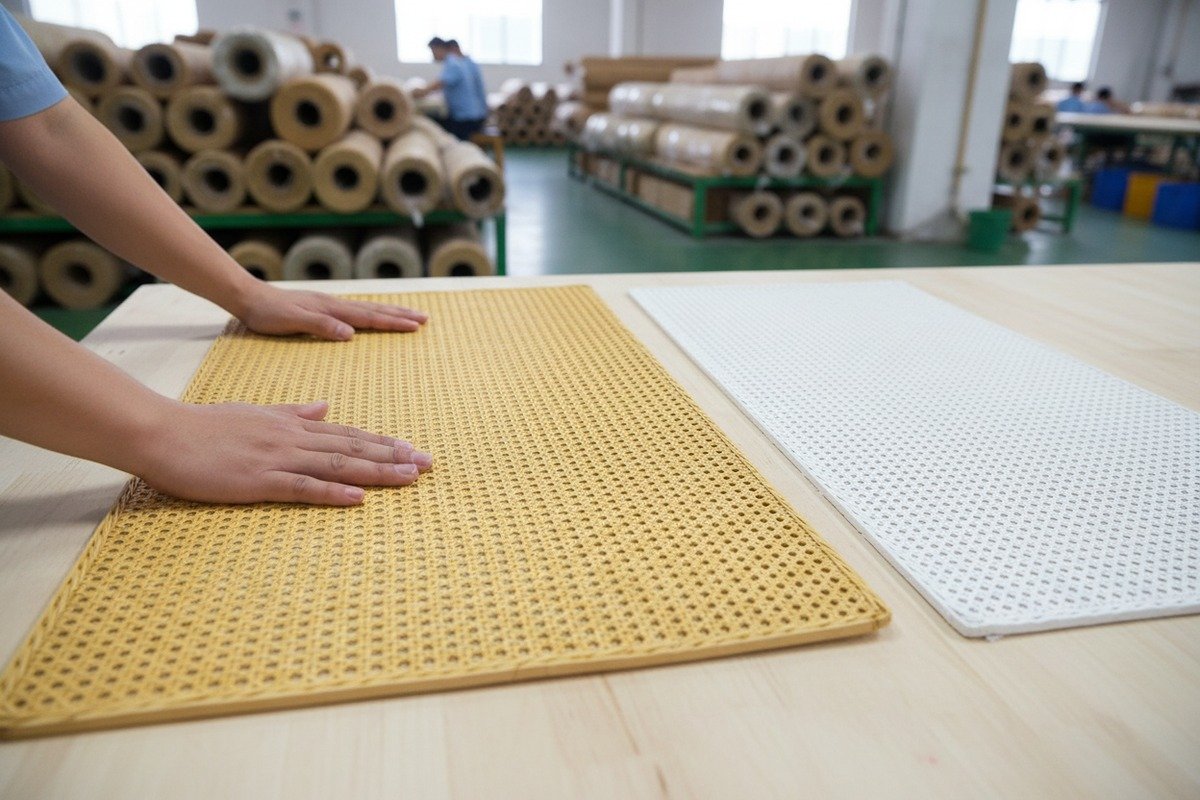
Grade A rattan cane webbing features uniform strand thickness, consistent color, minimal knots, and no visible breaks or splices. Lower grades may have color variations, occasional knots, thinner strands, or visible repairs. Grade A also offers superior tensile strength and a longer lifespan, making it the preferred choice for high-end furniture production and export markets.
What Defines Grade A Quality
Grade A is the top tier. It means the rattan strands are harvested from mature plants, peeled cleanly, and sorted for uniformity. Each strand should have a consistent width and thickness — typically around 2.5 mm for fine cane webbing. The color should be even, ranging from light straw to warm honey without dark spots or discoloration.
There should be no visible knots, breaks, or splices within the weave. The weave pattern must be tight and regular, with each intersection properly aligned. When you run your hand across Grade A webbing, it feels smooth with no rough edges or protruding fibers.
Grade Comparison
| Specification | Grade A | Grade B | Grade C |
|---|---|---|---|
| Strand Uniformity | Highly uniform | Slight variations | Noticeable inconsistencies |
| Color Consistency | Even tone throughout | Minor color shifts | Visible patches and spots |
| Knots and Breaks | None visible | Occasional (1-2 per meter) | Frequent |
| Tensile Strength | High | Moderate | Lower |
| Surface Finish | Smooth, clean peel | Minor roughness | Rough in places |
| Best Use | Export, high-end furniture | Mid-range furniture | Budget items, practice |
| Price Range | Premium | 15-25% lower | 30-50% lower |
Material Composition and Thickness
Rattan cane webbing is made from the outer bark of the rattan palm 6. This bark is peeled in strips and woven into sheets. The outer core material 7 is harder and more durable than inner core material. Grade A webbing always uses outer core strips.
Thickness varies by weave type. Close weave webbing runs about 1/16 inch thick. Open weave with 1/2-inch mesh uses strands about 2.5 mm thick. Thicker strands generally mean better load-bearing capacity, which matters for seating applications.
Moisture Content and Durability Factors
One specification many buyers overlook is moisture content 8. Natural rattan shipped from tropical climates like Indonesia carries higher moisture levels. If the webbing is not properly dried and acclimated before installation, it can shrink, warp, or crack in drier environments.
At our processing facility, we kiln-dry all rattan to a stable moisture content before weaving. This step is critical for exports to dry climates like the Middle East or air-conditioned environments in Europe and North America.
UV resistance 9 is another factor. Natural rattan will discolor and become brittle with prolonged sun exposure. For outdoor or sun-facing applications, we recommend either UV-treated natural cane or synthetic PE cane webbing 10, which resists fading and degradation.
Fire retardancy is worth mentioning for commercial projects. Natural rattan is combustible. If your furniture is going into hotels, restaurants, or public spaces, check local fire codes. We can apply fire-retardant treatments to meet Class A, B, or C standards, though this adds cost and lead time.
How to Inspect Quality on Arrival
When your shipment arrives, inspect a sample from each roll before sending it to production. Check for even color, smooth surfaces, and consistent hole spacing. Flex the webbing gently — Grade A material should bend without cracking. Hold it up to light and look for broken strands or irregular weave patterns.
If you find defects, document them with photos and notify your supplier immediately. A reliable supplier will have a clear returns or credit policy for quality issues. We provide a quality guarantee on all Grade A shipments and resolve claims within 48 hours.
Can I customize the dimensions and specifications to fit my specific production needs?
When our clients in the Netherlands or Australia come to us with non-standard panel sizes or unique weave requests, our first answer is always "let us check what our looms can do." Running three factories gives us the flexibility to adjust, but customization has its own rules and limits that every buyer should understand.
Yes, most reputable rattan cane webbing manufacturers offer customization for dimensions, weave patterns, colors, and packaging. Widths can typically be adjusted within a 35 cm to 100 cm range, and lengths can be cut to order. Custom weave patterns, bleached or stained finishes, and branded packaging are also available, usually with minimum order quantities and slightly longer lead times.

What Can Be Customized
Almost every specification of rattan cane webbing can be adjusted. Here is a breakdown of what we and most established suppliers can modify:
Width: Standard looms can produce webbing from about 30 cm (11.5 inches) up to 100 cm (39.5 inches). If your panel design requires a 28-inch width and you do not want to trim from 36-inch rolls, we can set the loom to produce 28-inch rolls directly. This reduces your material waste and labor costs.
Length: While standard rolls run 50 feet, we can cut rolls to any length you need. Some clients order 10-meter rolls for easier handling on their production floor. Others want 25-meter rolls to minimize roll changes on automated upholstery lines.
Mesh Size: If standard hole spacings do not match your design, custom mesh sizes are possible. This requires a loom setup change, so it usually comes with a higher minimum order quantity — typically 200 to 500 meters depending on the complexity.
Weave Pattern: Beyond the standard hexagonal, radio, and close weave patterns, we can produce herringbone, diamond, chevron, and other geometric motifs. Custom patterns require pattern development time, usually 2 to 4 weeks, plus a sample approval step before full production.
Color and Finish: Natural, bleached, white-washed, light rustic, and dark rustic finishes are standard. Custom staining or dyeing is available for brands that need a specific color match. We work with Pantone references to ensure consistency across batches.
Packaging: Bulk rolls can be wrapped in standard plastic, kraft paper, or custom-branded packaging. For wholesalers reselling to retail, we offer private-label packaging with your company logo and product information printed on the wrapper.
Minimum Order Quantities for Custom Specs
Customization always comes with MOQs. Here is a general guide:
| Customization Type | Typical MOQ | Lead Time Impact |
|---|---|---|
| Non-standard width | 100–300 meters | +3–5 days |
| Custom roll length | 50–100 meters | No significant change |
| Custom mesh size | 200–500 meters | +5–10 days |
| Custom weave pattern | 300–1,000 meters | +14–28 days (includes sampling) |
| Custom color/finish | 200–500 meters | +7–14 days |
| Private-label packaging | 500+ meters | +5–7 days |
These numbers vary by supplier and season. During peak demand periods (typically Q2 and Q3), lead times may stretch further. We recommend placing custom orders at least 6 to 8 weeks before your production deadline to allow for sampling, approval, and shipping.
The Custom Order Process
Here is how a typical custom order works with us:
First, you send your specifications — width, length, mesh size, pattern, color, and quantity. Our team reviews the request and confirms feasibility within 24 hours.
Next, we produce a physical sample and ship it to you. This usually takes 5 to 7 days. You inspect the sample for color, texture, mesh accuracy, and overall quality.
Once you approve the sample, we begin full production. Processing time ranges from 1 to 3 weeks depending on volume and complexity. We send progress photos and quality inspection reports during production.
After production, we pack the order according to your packaging requirements and arrange shipping. Delivery times range from 8 to 20 days depending on destination and shipping method — sea freight for bulk, air freight for urgent orders.
When Custom Is Not the Right Choice
Customization makes sense for large, recurring orders. But for small runs or one-time projects, standard specifications are almost always the better choice. Custom setups have fixed costs that get spread across the order volume. A 50-meter custom order costs significantly more per meter than a 500-meter run.
If you are testing a new product or entering a new market, start with standard sizes and patterns. Once you validate demand and settle on a design, switch to custom specifications for your repeat orders. This approach reduces risk and speeds up your time to market.
We also keep ready stock of the most popular standard sizes — 18-inch and 24-inch widths, 1/2-inch mesh, natural and bleached finishes — for clients who need fast turnaround without the wait for custom production.
Conclusion
Choosing the right rattan cane webbing specifications — width, mesh size, grade, and custom options — directly impacts your production efficiency and product quality. Use this guide to match your needs with the right specs and supplier.
Footnotes
1. Defines rattan cane webbing and its origin. ↩︎
2. Provides a technical definition of mesh size in weaving. ↩︎
3. Provides examples of rattan’s use in architectural and interior design. ↩︎
4. Provides historical context and details about the iconic chair. ↩︎
5. Describes the common hexagonal weave pattern in rattan cane webbing. ↩︎
6. Provides detailed information on the taxonomy and biology of rattan palms. ↩︎
7. Explains the different parts of the rattan pole and the durability of the outer core. ↩︎
8. Defines moisture content and its importance for wood and natural fibers. ↩︎
9. Defines UV resistance as a material’s ability to withstand degradation from UV light. ↩︎
10. Explains what PE rattan is and its properties as a synthetic material. ↩︎


 English
  Español de México
  العربية
  Deutsch
  Français
  Русский