
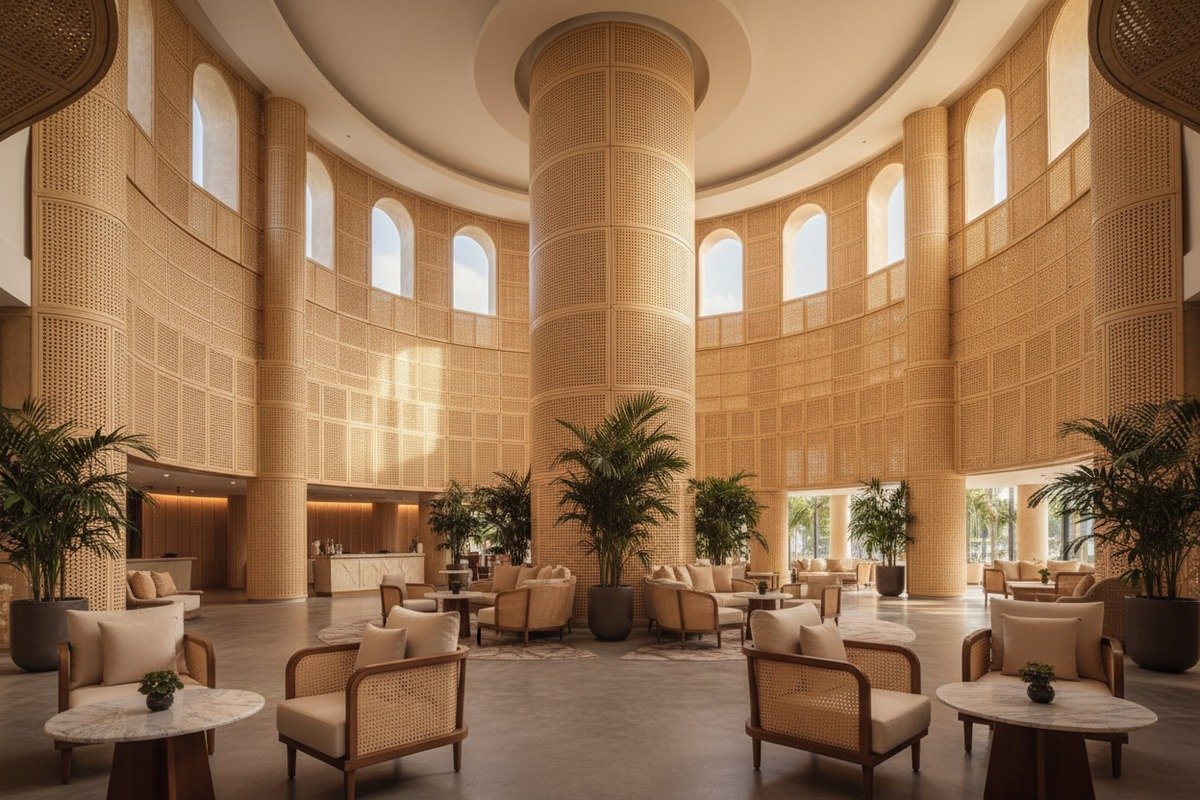
Hotel renovation projects cross our production floor every single week custom furniture upgrades 1. From boutique resorts in Bali to five-star lobbies in Dubai, one challenge keeps coming up: how do you create warmth and luxury without blowing the budget?
The top rattan cane webbing applications for hotel renovations include custom furniture upgrades, cabinetry panel inserts, decorative wall panels, ceiling accents, headboard installations, room dividers, and spa partitions. These uses bring natural texture, airflow, and timeless elegance to lobbies, guest rooms, restaurants, and wellness areas.
In this guide, we break down each major application AAA-grade natural webbing 2. You will learn how to pick the right grade, choose the best weave pattern, and source premium webbing in bulk. Let us walk through it step by step.
How can I incorporate rattan cane webbing into my hotel's custom furniture and cabinetry?
When our team ships rattan webbing rolls to furniture factories across Europe and the Middle East, we see the same question pop up biophilic design element 3. Designers love the look but worry about how it performs under daily hotel use.
You can incorporate rattan cane webbing into hotel furniture by applying it to chair backs, sofa side panels, cabinet door inserts, reception desk fronts, minibar doors, and bedside tables. Use premium AAA-grade natural webbing with a tight weave for maximum durability in high-traffic commercial settings.
Chair and Sofa Applications
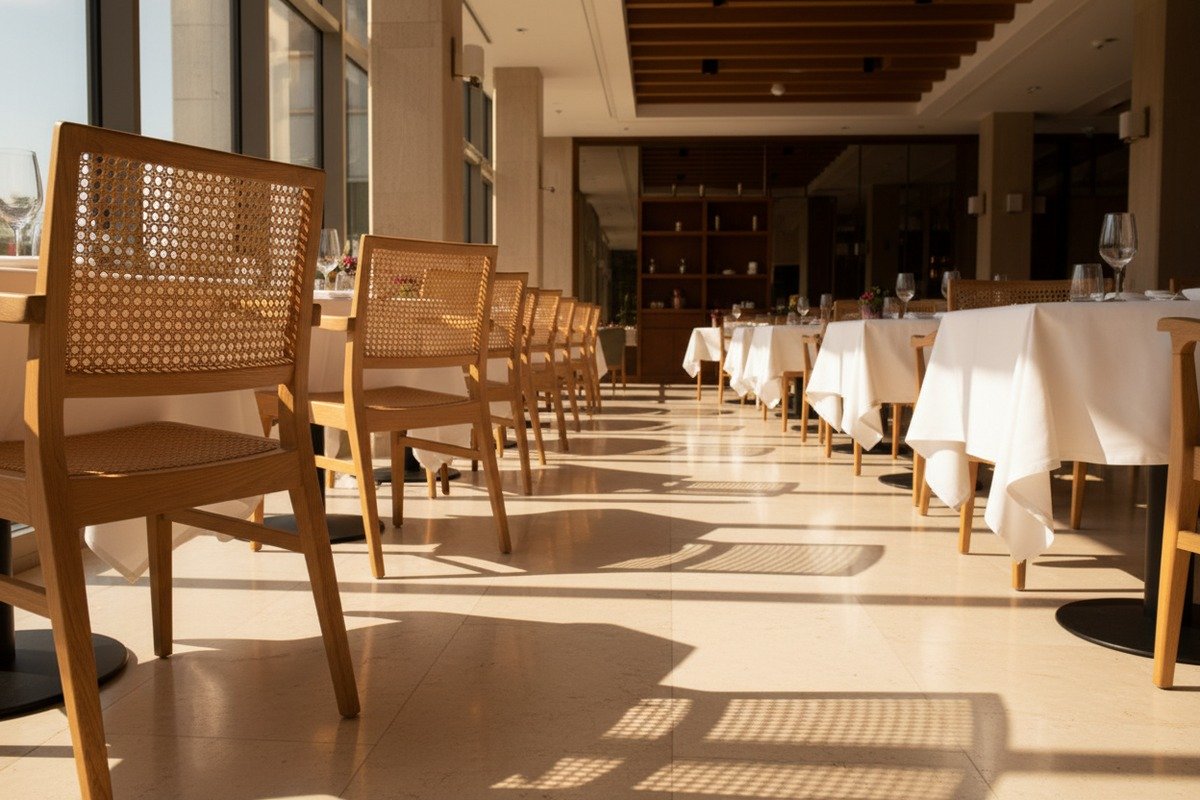
Rattan webbing transforms ordinary hotel seating. A simple dining chair becomes a statement piece when you replace the solid back panel with a hexagonal open-mesh weave 4. The result is lighter, more breathable, and visually striking.
In our experience supplying furniture factories in Spain and the Netherlands, the most popular choice for lobby chairs is the classic radio weave pattern 5. It offers a mid-century modern look that fits both boutique and luxury properties. For sofas, designers often use a dense square basketweave on the side panels. This adds texture without sacrificing structural strength.
Here is a quick tip. Always frame the webbing in solid hardwood. The wood frame carries the load. The webbing provides the aesthetic and airflow. This setup can last 15 to 20 years indoors with basic maintenance.
Cabinet and Storage Inserts
Hotel cabinetry is another strong application. Think about minibar doors in guest rooms, storage cabinets behind reception desks, or display shelving in hotel restaurants. Rattan webbing inserts replace solid panels and give these pieces a semi-transparent, textured look.
Open-weave patterns work well for display cabinets. Guests can glimpse items inside. Tight-weave patterns suit minibars where you want airflow but less visibility.
Application Comparison Table
| Application | Recommended Weave | Best Grade | Typical Lifespan | Key Benefit |
|---|---|---|---|---|
| Lobby Chairs | Hexagonal Radio Weave | AAA / A | 15–20 years | Breathable, airy elegance |
| Dining Chairs | Tight Square Basketweave | AAA / A | 12–18 years | Structural support + texture |
| Sofa Side Panels | Dense Basketweave | A | 15–20 years | Subtle accent detail |
| Minibar Doors | Tight Lattice | A | 10–15 years | Airflow, moisture control |
| Reception Desk Fronts | Diamond Geometric | AAA | 15–20 years | Bold visual statement |
| Bedside Table Panels | Open Mesh | A | 12–15 years | Lightweight, decorative |
Headboards and Bedding Accents
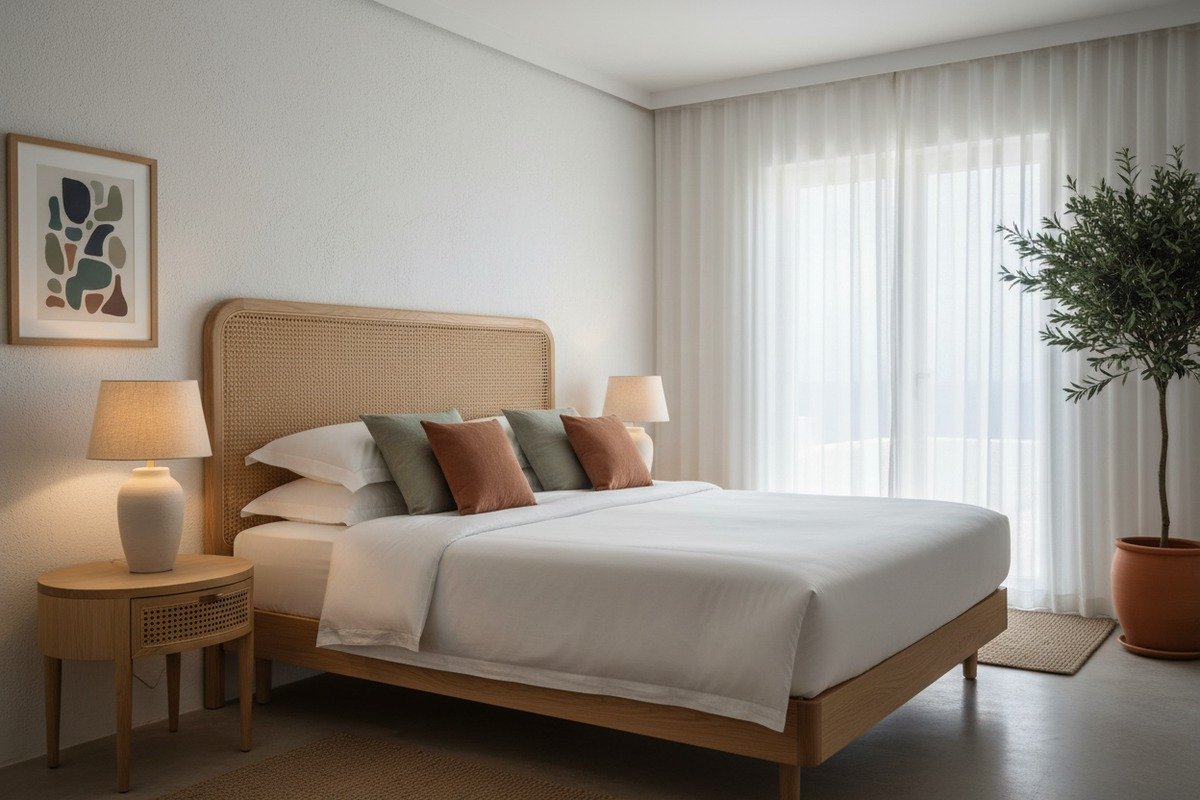
Boutique hotels love rattan headboards. The natural texture pairs beautifully with white linens and earthy tones. We have shipped custom-cut webbing sheets for headboard projects in Australia and Turkey. The key is to stretch the webbing tightly across a wooden frame and secure it with a spline or staple method on the back side. This keeps the front clean and seamless.
One overlooked detail: rattan headboards offer subtle acoustic dampening 6. The woven material absorbs some sound, which can make guest rooms feel quieter and more serene. That is a real advantage in busy urban hotels.
Room Dividers and Partitions
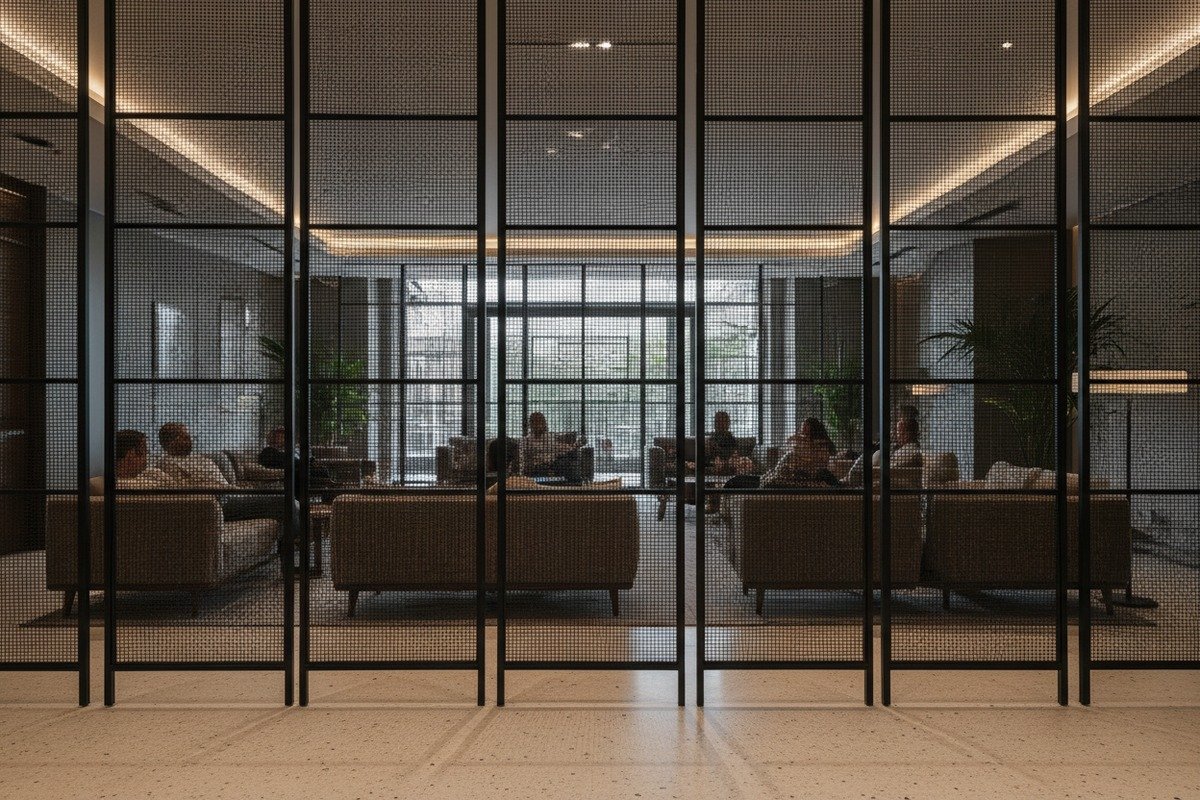
Open-plan hotel lobbies and suites benefit from rattan dividers. These partitions let light pass through while creating defined zones. A floor-to-ceiling rattan screen in a hotel lobby separates the check-in area from the lounge without making the space feel closed off.
For this application, we recommend a medium-density weave mounted in a steel or aluminum frame. The metal frame adds a contemporary contrast to the natural rattan. This pairing is trending hard in 2026, especially in properties that want a modern-meets-organic aesthetic.
What are the best ways to use rattan webbing for hotel wall panels and ceiling accents?
From our factory floor in Foshan to finished hotel interiors in Dubai and Greece, we have seen rattan wall panels become one of the fastest-growing design requests in hospitality. The challenge is getting the installation right for large-scale commercial spaces.
The best ways to use rattan webbing for hotel walls and ceilings include full-height feature wall panels in lobbies, framed accent panels in guest room corridors, suspended ceiling grids in restaurants, backlit rattan ceiling features in spas, and decorative wainscoting in dining areas. Each method adds warmth, texture, and a biophilic design element.
Feature Wall Panels
A rattan feature wall can define an entire hotel lobby. The approach is straightforward. Mount a wooden or MDF frame grid on the wall. Stretch webbing across each frame section. Secure it from behind. The result is a continuous textured surface that feels organic and inviting.
We recommend the hexagonal radio weave for large wall panels. Its open pattern creates visual depth and allows the wall color behind to show through subtly. For a bolder look, the diamond geometric motif adds complexity and draws the eye.
Ceiling Accents and Suspended Grids
Ceiling applications are where rattan webbing really shines. Hotel restaurants and bars use suspended rattan panels to define dining zones, soften overhead lighting, and reduce echo. The woven structure naturally diffuses light, creating a warm glow underneath.
One effective technique is to backlight rattan panels with warm LED strips. The light filters through the weave and casts intricate shadow patterns on surrounding surfaces. This is especially popular in spa reception areas and cocktail lounges. Several of our clients in Saudi Arabia and Iran have used this approach to create immersive, Instagram-worthy ceiling features.
Installation Methods Comparison
| Method | Best For | Complexity | Cost Level | Visual Impact |
|---|---|---|---|---|
| Direct Frame Mount | Wall panels, wainscoting | Low | Budget-friendly | Clean, classic |
| Suspended Grid System | Ceiling panels, restaurants | Medium | Mid-range | Dramatic, layered |
| Backlit Panel Installation | Spa ceilings, bar accents | High | Premium | Luxurious, atmospheric |
| Spline Channel System | Large continuous walls | Medium | Mid-range | Seamless, modern |
| Clip-in Modular Panels | Corridors, guest room accents | Low | Budget-friendly | Easy maintenance |
Corridor and Hallway Wainscoting
Hotel corridors are often overlooked in renovations. But they form a guest's first impression of their floor. Rattan wainscoting along the lower half of corridor walls adds texture and warmth. It protects walls from luggage scuffs better than paint alone. And it is easy to replace individual panels if damage occurs.
Acoustic Benefits
Here is something many designers miss. Rattan webbing mounted with an air gap behind it acts as a basic acoustic absorber. The open weave traps sound waves and reduces reverberation. In hotel restaurants and open lobbies, this can meaningfully improve comfort. Guests notice the difference even if they cannot name it.
Practical Considerations
For wall and ceiling installations, always treat natural rattan with a clear protective sealant before mounting. This guards against humidity fluctuations in kitchens and bathrooms. In semi-outdoor areas like covered patios, consider synthetic rattan webbing 8 instead. It mimics the look of natural cane but resists moisture and UV degradation.
Keep maintenance simple. A damp cloth wipe-down once a week keeps dust out of the weave. Avoid harsh chemical cleaners. They strip the natural oils from the rattan and cause brittleness over time.
How do I choose the right grade of rattan webbing to ensure durability in my hotel renovation?
When we process raw rattan at our facility in Indonesia, every batch goes through grading before it ships. We see firsthand how much variation exists between premium and low-grade material. For hotel projects, choosing the wrong grade is one of the most expensive mistakes you can make.
Choose premium AAA or A-grade rattan webbing for hotel renovations by checking strip uniformity, surface smoothness, weave tightness, color consistency, and flexibility. Premium grades offer 15–20 years of indoor durability, while low B/C grades warp, crack, and fail prematurely under commercial hotel traffic and humidity.
Understanding Quality Tiers
Not all rattan webbing is created equal. The grading system ranges from AAA at the top to C at the bottom. Here is what separates them.
AAA-grade rattan strips are uniform in width. The color is rich and consistent. The surface feels smooth. The grain is tight. When you bend a strip, it flexes without cracking. This is the grade that lasts 15 to 20 years on indoor hotel furniture.
B and C grades have visible flaws. Strips vary in width. You see rough patches, discoloration, and loose spots in the weave. These grades might work for temporary event decor or residential crafts. They do not belong in a hotel that expects years of daily use.
Detailed Grade Comparison
| Quality Feature | AAA Grade | A Grade | B Grade | C Grade |
|---|---|---|---|---|
| Strip Width Uniformity | Excellent | Very Good | Inconsistent | Poor |
| Surface Smoothness | Flawless | Minor variations | Rough patches | Blemishes, splinters |
| Color Consistency | Rich, even tone | Slight variation | Dull, uneven | Blotchy |
| Weave Tightness | Precise, tight | Tight | Loose spots | Uneven, gaps |
| Flexibility | Highly pliable | Pliable | Somewhat brittle | Brittle or overly soft |
| Indoor Lifespan | 18–20 years | 15–18 years | 5–8 years | 2–4 years |
| Hotel Suitability | Ideal | Recommended | Not recommended | Not suitable |
| Price Range per Roll | Premium | Mid-high | Budget | Low-end |
Natural vs. Synthetic: Which Is Right for Your Hotel?
This is a critical decision. Natural rattan webbing delivers authenticity. The warm tones, organic texture, and subtle grain variations create a genuine luxury feel. It is biodegradable and sustainable. Eco-conscious guests appreciate it.
But natural rattan has limits. It does not handle prolonged moisture or direct sunlight well. For poolside furniture, rooftop bars, or covered outdoor terraces, synthetic rattan webbing is the smarter choice. Synthetic versions use durable plastic fibers woven to mimic natural patterns. They resist UV rays, rain, and humidity.
At our production facility, we offer both options. Our synthetic rattan matting comes in chevron wave, basketweave, and classic lattice patterns. Pricing ranges from $60 to $250 per roll depending on the pattern, width, and color. For indoor hotel spaces, we always recommend natural premium. For anything exposed to weather, go synthetic.
How to Inspect Quality Before Ordering
When you receive samples, here is what to check:
- Bend test. Flex a strip gently. Premium rattan bends smoothly. Low-grade cracks or snaps.
- Run your fingers across the surface. It should feel smooth. Rough spots mean inferior processing.
- Check color under natural light. Even, warm tones indicate quality. Blotchy or grey patches suggest poor raw material.
- Pull on the weave. Tight weaves hold firm. Loose weaves shift easily under finger pressure.
- Smell test. Natural rattan has a mild, woody scent. Chemical or musty odors indicate poor treatment or storage.
Humidity and Climate Factors
Hotels in tropical climates face extra challenges. High humidity causes low-grade rattan to swell, warp, and eventually crack. Premium-grade rattan is denser and more resistant to moisture absorption. Even so, we recommend applying a clear polyurethane sealant 9 for hotels in humid regions. This adds a moisture barrier without altering the natural appearance.
For desert climates like Dubai or Saudi Arabia, the concern is dryness. Rattan can become brittle if the air is too dry. A light conditioning oil applied twice a year keeps the material supple and extends its life.
Where can I source high-quality rattan cane webbing in bulk for my large-scale hospitality project?
Our warehouse in Nanhai, Foshan, ships rattan webbing to over a dozen countries every month. We know how stressful sourcing can be for purchasing managers handling a 200-room hotel renovation. The wrong supplier means delays, inconsistent quality, and wasted budget.
Source high-quality rattan cane webbing in bulk from established suppliers with their own rattan processing facilities, verified export histories, and transparent grading systems. Look for suppliers offering full-category rattan products, customizable weave patterns and sizes, sample programs, and consistent quality control across large minimum order quantities.

What to Look for in a Supplier
Not every rattan supplier can handle a large hospitality project. Hotel renovations require consistent quality across hundreds or thousands of square meters of webbing. Here is what separates reliable suppliers from risky ones.
First, look for vertical integration 10. A supplier who controls their own rattan processing — from raw material harvesting to weaving and finishing — delivers more consistent quality than a middleman sourcing from random workshops. We operate our own rattan processing facility in Indonesia and three factories in Foshan. This gives us direct control over raw material selection, grading, and production standards.
Second, check export experience. A supplier who regularly ships to markets like the US, Europe, Australia, and the Middle East understands international quality expectations and packaging requirements. Packaging matters more than people think. Poor packaging leads to crushed or moisture-damaged rolls on arrival. Every shipment we send uses reinforced packaging designed for ocean freight.
Third, ask for a sample program. Any reputable supplier will send samples before you commit to a bulk order. Test the samples. Bend them. Feel the surface. Check the weave. Compare grades side by side. This small step prevents costly mistakes.
Key Questions to Ask Your Supplier
Before placing a bulk order, ask these questions:
- What grade options do you offer, and can I see physical samples of each?
- Do you own your processing facility, or do you source from third parties?
- What is your minimum order quantity for custom sizes and patterns?
- Can you match a specific weave pattern or color for my hotel's design scheme?
- What is your lead time for a 500+ roll order?
- How do you handle quality control and inspection before shipping?
- What packaging methods do you use for international freight?
- Do you offer bleached or color-treated options alongside natural finishes?
Pricing and Order Planning
Hotel renovation budgets are tight. Understanding pricing structure helps you plan effectively.
Natural premium rattan webbing pricing varies by weave pattern, roll width, and grade. Synthetic options range from $60 to $250 per roll depending on specifications. For large orders, most suppliers offer volume discounts. We provide tiered pricing that drops meaningfully above 100-roll orders.
Plan your order early. Lead times for custom weave patterns or specific dimensions can run four to eight weeks. Standard patterns in stock ship faster. Factor in shipping time — ocean freight from China to Europe takes three to five weeks. Air freight is faster but significantly more expensive.
Building a Long-Term Supplier Relationship
For hotel groups or renovation firms handling multiple properties, a long-term supplier relationship saves time and money. You establish quality benchmarks on the first project. Future orders match those benchmarks automatically. Your supplier understands your specifications, your preferred packaging, and your shipping schedule.
We work with furniture material wholesalers and building material suppliers across the Netherlands, Spain, Turkey, and beyond on exactly this model. A single point of contact. Consistent quality. Predictable lead times. That is how large-scale hospitality sourcing should work.
Sustainability and Certification
Modern hotel brands care about sustainability. Many require documentation showing their materials are responsibly sourced. Natural rattan is inherently sustainable — it is a fast-growing palm that regenerates after harvesting. But not all suppliers can provide traceability or environmental documentation.
When evaluating suppliers, ask about their sourcing practices. Do they harvest from managed plantations? Can they provide material origin documentation? Sustainable sourcing is not just good ethics. It is a selling point for your hotel's brand story with eco-conscious travelers.
Conclusion
Rattan cane webbing brings natural warmth, durability, and design flexibility to hotel renovations. Choose premium grades, match the weave to each application, and source from vertically integrated suppliers for results that last.
Footnotes
1. Found a relevant article discussing the role of rattan cane webbing in contemporary furniture design, including for hotels. ↩︎
2. Found a page from a rattan webbing supplier explicitly mentioning and discussing ‘AAA-grade natural rattan webbing’. ↩︎
3. Provides a comprehensive definition and overview of biophilic design principles. ↩︎
4. Describes hexagonal cane webbing, its uses, and aesthetic qualities for furniture. ↩︎
5. Found a descriptive page detailing ‘Premium Radio Box Weave Cane Webbing’. ↩︎
6. Scientific paper investigating the sound absorption coefficients and properties of rattan cane. ↩︎
7. Explains what rattan cane webbing is, its characteristics, and applications. ↩︎
8. Found a working page on the original domain (Home Zentrum) explaining synthetic rattan and its outdoor suitability. ↩︎
9. Found a working page on the original authoritative domain (Sika USA) about polyurethane sealants. ↩︎
10. Found a working page on the original authoritative domain (.edu) explaining vertical integration in companies. ↩︎

 English
  Español de México
  العربية
  Deutsch
  Français
  Русский