

Every week, our sales team receives messages from buyers who ordered rattan webbing in bulk — only to discover uneven strands, brittle fibers, or color mismatches after production started. The cost of reworking an entire furniture run is painful. It’s a problem we see constantly. And the fix is simple: request samples first.
To request natural rattan cane webbing samples, contact specialized suppliers directly via email or website forms. Specify your required weave pattern, roll width, grade level, and intended use. Ask for physical swatches so you can inspect strand uniformity, flexibility, color consistency, and moisture content before committing to a bulk order.
In this guide, we walk you through the entire sample request process — from finding the right supplier to hands-on quality testing. Whether you run a furniture factory or wholesale operation, these steps will save you time, money, and headaches. Let’s get into it.
How do I initiate a sample request to ensure the rattan webbing meets my quality standards?
Over the past decade, our export team has shipped rattan cane webbing 1 to furniture factories across more than 15 countries. One lesson stands out clearly: buyers who skip the sample stage almost always face quality disputes later.
To initiate a sample request, identify two to three reputable suppliers, then send a detailed inquiry specifying your weave type, desired width, grade preference, and order volume. Include your project timeline and ask about sample fees, shipping costs, and turnaround time so you can compare offerings side by side.
Step 1: Research Your Supplier Options
Before you send any email, spend time identifying credible suppliers. Look for companies that specialize in rattan — not general craft stores. Check their websites for product catalogs, certifications, and export experience. Read customer reviews on Google, Alibaba, or trade forums.
Here is a comparison of well-known rattan webbing suppliers to help you start your research:
| Supplier | Key Offerings | Sample / Min Order | Quality Focus | Region |
|---|---|---|---|---|
| Seafan Rattan | Full range of rattan materials, multiple weave pattern 2s, Grade A options | Samples available on request | Uniformity, flexibility, anti-mildew treatment | China / Indonesia |
| HH Perkins | Fine 1/2" octagonal cane | Small cuts available (~$0.95/sq ft) | Eco-sourced, premium artisan grade | USA |
| House of Bamboo | 20+ designs, 600mm standard widths | 0.5m minimum, samples on inquiry | Handmade premium grade | Australia / Asia |
| Etsy Sellers | Rhombic, hexagonal luxury patterns | Custom small sheets | Furniture restoration focus | Global |
| Xingtai Crafts | Processed rolls with anti-mildew | Bulk-oriented, samples probable | Strict QC, uniform mesh | China / Global |
Step 2: Craft a Clear Sample Request Email
Your email should not be vague. Suppliers receive dozens of inquiries daily. A specific request gets faster, better responses. Include these details:
- Weave pattern — e.g., 1/2" fine octagonal, rhombic, or hexagonal open mesh
- Roll width and length — e.g., 600mm x 500mm sample piece
- Grade — Grade A, Grade B, or bleached/unbleached
- Quantity intent — mention your estimated bulk volume so the supplier takes your request seriously
- Deadline — state when you need the samples by
- Quality tests you plan to run — this signals you are a serious buyer
Step 3: Follow Up and Compare
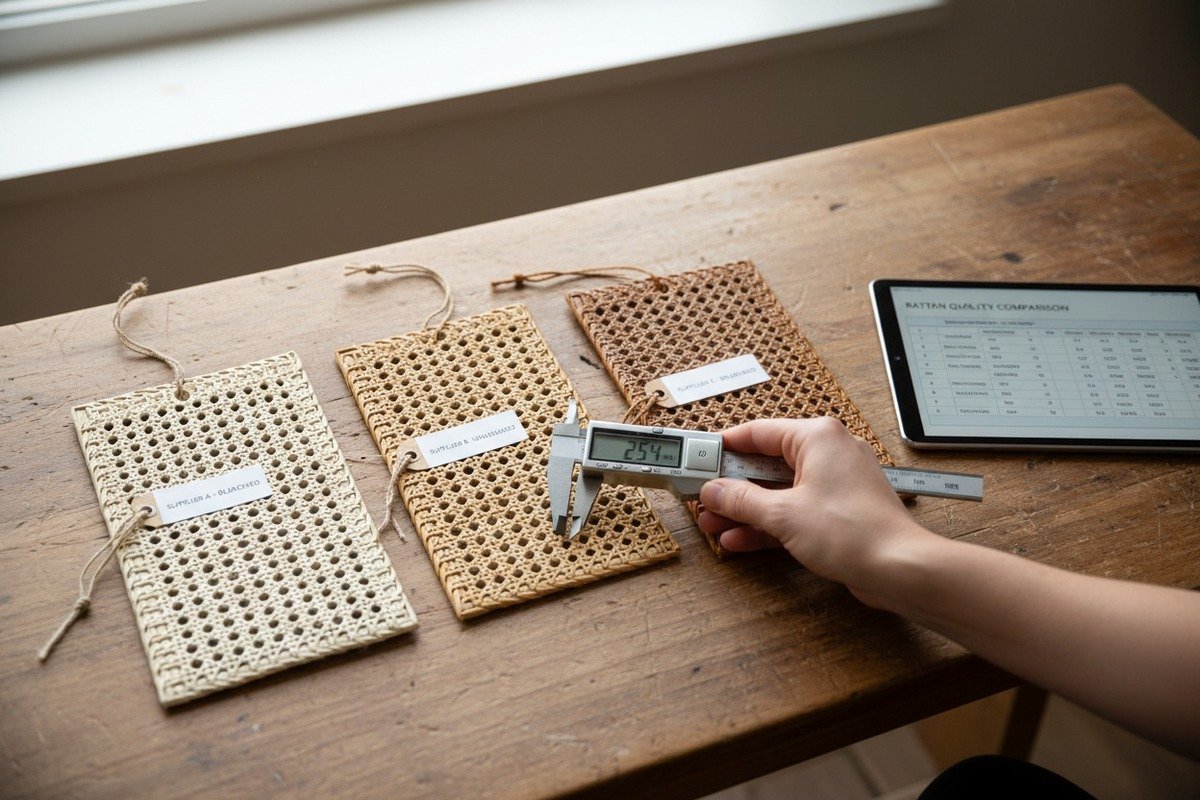
If you don't hear back within three business days, send a polite follow-up. When samples arrive from multiple suppliers, label each one clearly. Test them side by side. This comparison is worth every dollar you spend on sample shipping.
In our experience fulfilling orders for wholesalers in the Netherlands, Australia, and the USA, we always recommend requesting at least two sample pieces per weave pattern. One piece goes through testing. The other serves as your reference standard for the bulk shipment inspection.
What specific Grade A features should I check for when my samples arrive?
When we process rattan at our facility in Indonesia, every roll goes through a multi-step quality check 3 before it ships. But not every supplier follows the same standards. That's why knowing what to look for yourself is critical.
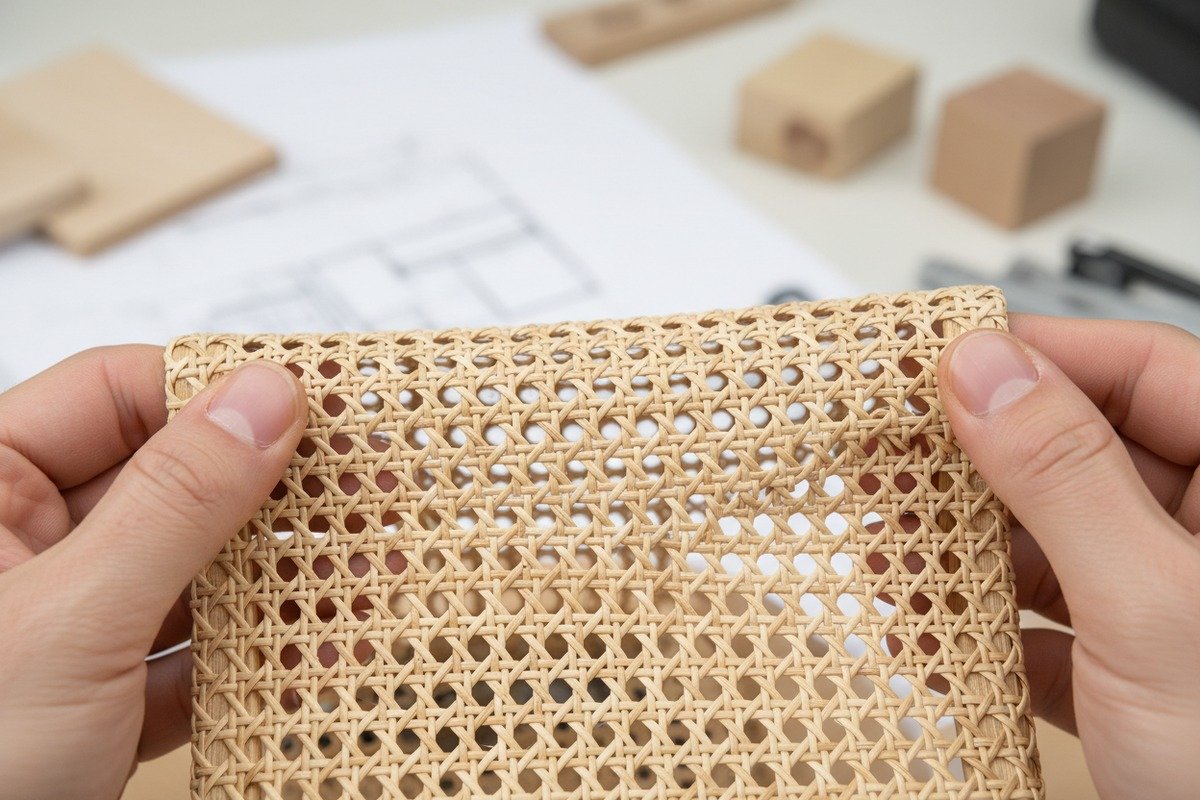
Grade A natural rattan cane webbing should display uniform strand thickness, consistent light beige color with no dark spots, tight and even weave tension, and excellent flexibility — bending without cracking. The surface should feel smooth, nodes should be minimal, and moisture content should be balanced: dry but never brittle.
Visual Inspection First
Start with your eyes. Lay the sample flat on a clean surface. Look for these signs:
- Color consistency — Grade A rattan has an even, warm beige or pale straw tone. Dark streaks, patches, or yellowing indicate lower grades or poor processing.
- Strand uniformity — Each strand should be roughly the same width and thickness. Use a caliper or ruler to measure at least five strands across the sample. Variations beyond 0.5mm suggest inconsistent sorting.
- Weave tension — The mesh openings should be uniform in size. Loose spots or uneven gaps mean the weaving was rushed or poorly controlled.
- Node placement — Natural rattan has nodes (small bumps). In Grade A webbing, these are sanded smooth and placed away from key structural intersections.
The Bend Test
Pick up the sample and gently bend it. Quality rattan flexes smoothly. It should not snap, crack, or splinter. If fibers break during a moderate bend, the material is either too dry or from an immature vine. Rattan palms need five to seven years of growth before harvesting. Younger vines produce weaker, more brittle fibers.
Moisture and Feel
Run your fingers across the surface. Grade A rattan feels smooth but slightly textured — never rough or splintery. It should not feel damp or overly dry. Proper processing includes controlled drying, boiling, and sometimes bleaching. Webbing that has undergone anti-mildew treatment will resist fungal growth in humid storage environments.
Grade Comparison Table
| Feature | Grade A | Grade B | Grade C |
|---|---|---|---|
| Color | Even light beige | Minor color variations | Noticeable dark spots |
| Strand thickness | Uniform (±0.3mm) | Slight variations (±0.5mm) | Irregular (±1mm+) |
| Flexibility | Bends without cracking | Minor stiffness | Cracks or splinters |
| Weave tension | Tight, even openings | Mostly even, minor gaps | Loose, uneven mesh |
| Surface finish | Smooth, sanded nodes | Some rough patches | Rough, visible splinters |
| Moisture balance | Optimal, not brittle | Acceptable | Too dry or too damp |
| Anti-mildew treatment | Standard | Sometimes included | Rarely included |
Natural vs. Synthetic: A Quick Note
Some buyers consider synthetic rattan 4 (PE plastic) as an alternative. Synthetic versions are durable and weather-resistant, making them suitable for outdoor furniture. However, they lack the organic warmth and authentic texture that natural cane provides. For indoor furniture, restoration work, and premium product lines, natural Grade A rattan remains the gold standard.
When we ship to clients in Spain and Greece — markets that value Mediterranean-style interiors — they almost universally prefer natural cane for its warmth and character. The key is matching material to application.
Can I customize the sample sizes and patterns to match my current furniture production?
Our production lines in Foshan run over 30 different weave patterns across varying widths. So when a furniture factory in Turkey asks for a specific rhombic pattern at 450mm width, we know exactly how to fulfill that. But we also know that not every supplier offers this flexibility.
Yes, most specialized rattan suppliers can customize sample sizes and weave patterns to match your production needs. You can request specific widths, lengths, mesh types like octagonal or rhombic, and even bleaching levels. Provide your exact specifications upfront, including measurements from your current furniture frames, so the supplier can prepare accurate, project-ready samples.
Why Customization Matters
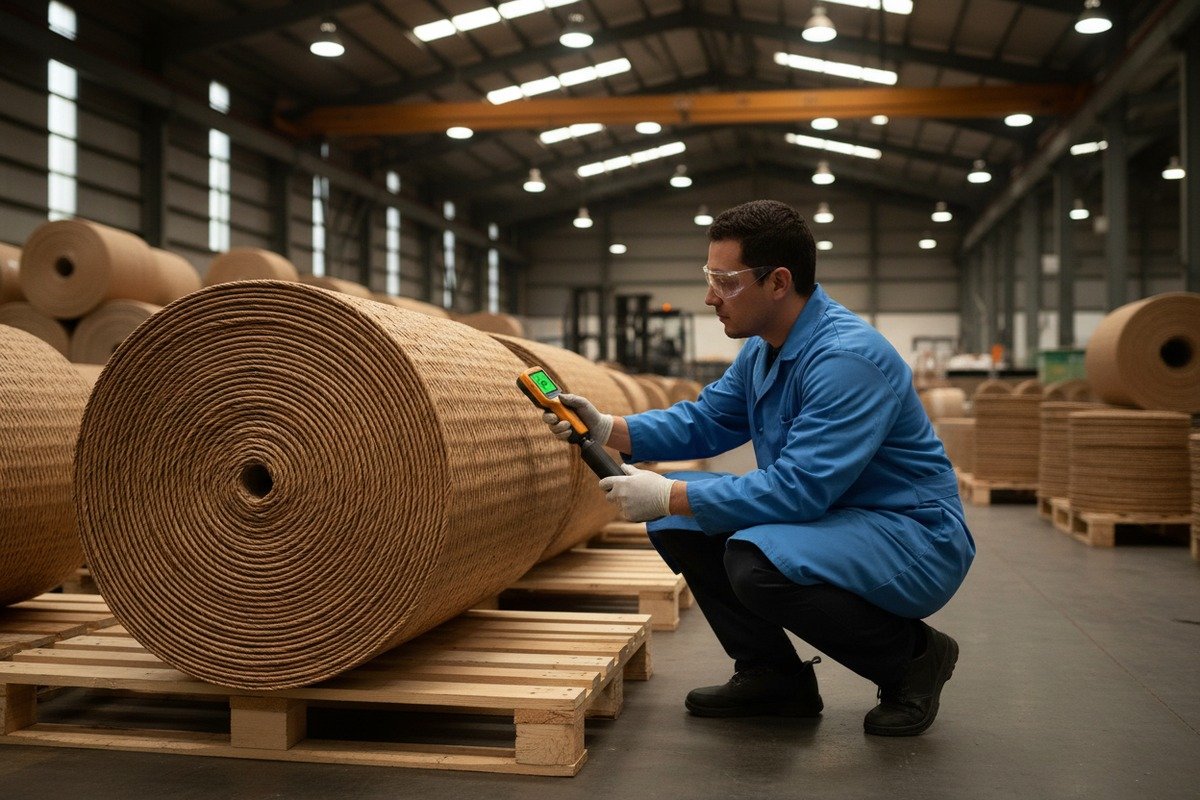
Standard rattan webbing rolls come in common widths like 600mm. But furniture production 7 is rarely standard. Chair backs, cabinet doors, headboards, and room dividers all have different dimensions. If your sample doesn't match your frame size, you can't accurately assess how the webbing will look and perform in the final product.
When one of our Australian clients was developing a new line of rattan bed headboards, they needed 900mm-wide webbing in a fine 1/2" octagonal pattern. Standard rolls wouldn't work. We produced custom sample panels at the exact width so their workshop could test fitment, cutting behavior, and glue adhesion before placing a 500-roll order.
Common Customization Options
Here's what you can typically request:
- Width — From 300mm to 1200mm or wider, depending on the supplier's loom capacity
- Length — Sample pieces can range from 300mm to full roll lengths for production trials
- Weave pattern — Hexagonal (radio weave), octagonal, rhombic, basketweave, diagonal twill, and more
- Strand gauge — Thicker strands for heavy-duty applications, finer strands for decorative use
- Finish — Natural, bleached, lightly stained, or treated with anti-mildew agents
- Edge treatment — Some buyers request sealed or reinforced edges for easier installation
Pattern Selection for Different Applications
| Application | Recommended Pattern | Typical Width | Notes |
|---|---|---|---|
| Chair seats and backs | Fine 1/2" octagonal | 450–600mm | Classic look, excellent durability |
| Cabinet door panels | Tight basketweave | 300–500mm | Clean lines for modern furniture |
| Bed headboards | Rhombic or hexagonal | 600–1200mm | Premium aesthetic for bedroom furniture |
| Room dividers | Open radio weave | 900–1500mm | Allows light through, decorative feel |
| DIY projects (planters, frames) | Grid or square mesh | 300–450mm | Easy to cut and glue for crafters |
Tips for Requesting Custom Samples
First, send the supplier a drawing or photo of your furniture frame with exact interior dimensions. This removes any guesswork. Second, specify the pattern by name and, if possible, attach a reference image. Third, mention your production volume. Suppliers are much more willing to produce custom samples when they know a bulk order is likely.
In our factory, we keep sample libraries of all our active weave patterns. When a new customer inquiry arrives, we can cut and ship a matching sample within two to three days if the pattern is in stock. For entirely new patterns, lead time may extend to seven to ten days for loom setup.
Don't forget to test how the custom sample behaves during installation. Apply it to a practice frame using your standard method — whether that's groove-and-spline, glue, or staple. Check for stretching, alignment, and edge fraying. These real-world tests reveal issues that visual inspection alone cannot catch.
What are the typical shipping costs and lead times I should expect for my rattan samples?
When we ship sample packages from our Foshan warehouse, the cost and speed depend heavily on the destination country, package weight, and courier choice. Buyers are often surprised by how much these variables affect the final price.
Shipping costs for rattan webbing samples typically range from $25 to $80 via international express couriers like DHL or FedEx, with delivery in 5 to 10 business days. Larger sample sets or remote destinations may cost more. Sea freight samples bundled with other goods can reduce costs but extend lead times to 20-40 days depending on port distance.
Understanding Shipping Variables
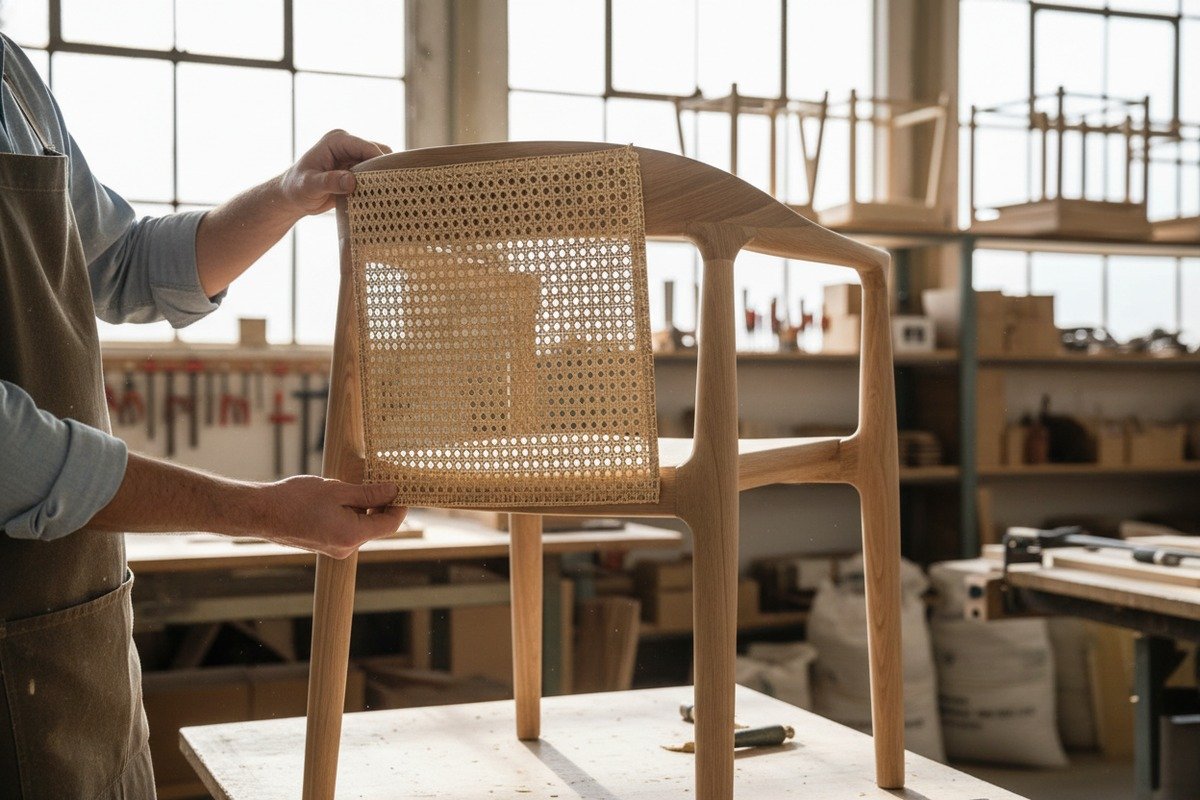
Several factors determine your total shipping cost and delivery time:
- Package weight and size — A single 600mm x 600mm sample piece weighs very little. But if you request five different patterns, the package grows. Couriers charge by volumetric weight 8, which can exceed actual weight for bulky but lightweight items like rattan.
- Destination — Shipping to the USA or Europe from China typically takes five to seven days by air express. Destinations in the Middle East, Russia, or South America may take longer due to customs processing.
- Courier choice — DHL and FedEx are fastest but most expensive. EMS or ePacket options cost less but take 10 to 20 days. Some suppliers use their own logistics partners for further savings.
- Customs and duties — Rattan is a natural product. Some countries require phytosanitary certificates 9 or fumigation documentation. Factor in potential customs delays, especially for first-time imports.
Cost Breakdown by Region
| Destination Region | Express Courier (DHL/FedEx) | Economy Air (EMS) | Sea Freight (if bundled) |
|---|---|---|---|
| USA / Canada | $35–$65 / 5–7 days | $20–$40 / 12–18 days | $15–$30 / 25–35 days |
| Europe (NL, Spain, etc.) | $30–$55 / 4–6 days | $18–$35 / 10–15 days | $12–$25 / 20–30 days |
| Australia | $40–$70 / 5–8 days | $25–$45 / 12–20 days | $15–$30 / 25–40 days |
| Middle East (Dubai, Saudi) | $35–$60 / 5–7 days | $20–$40 / 10–15 days | $12–$25 / 20–30 days |
| Southeast Asia (Thailand, Philippines) | $20–$40 / 3–5 days | $12–$25 / 7–12 days | $8–$15 / 10–20 days |
Who Pays for Samples and Shipping?
This varies by supplier. Some offer free samples but charge for shipping. Others charge a nominal sample fee (typically $5 to $20) that gets credited toward your first bulk order. In our practice, we provide free samples for buyers who share their project specifications and expected order volume. We believe the sample investment pays for itself many times over by preventing quality mismatches in production.
Pro Tips to Reduce Sample Costs
- Consolidate requests. If you need multiple patterns, request them all in one shipment instead of separate orders.
- Ask about sample credit. Many suppliers, including us, deduct sample costs from your first bulk purchase.
- Use economy shipping for non-urgent requests. If your production timeline allows two to three weeks, EMS saves 30-50% over express couriers.
- Request digital previews first. Before ordering physical samples, ask for high-resolution photos and videos. This helps you narrow down options and order only the most relevant samples.
- Bundle with other orders. If you're sourcing multiple rattan products — say, webbing plus rattan poles or binding strips — combining everything into one shipment cuts per-item costs significantly.
Customs Documentation to Prepare
Natural rattan is classified as a plant product. Depending on your country's import regulations, you may need:
- A phytosanitary certificate confirming the rattan has been treated against pests
- A certificate of origin
- Commercial invoice with HS codes 10 for rattan products (typically under HS 4601 or 4602)
We handle these documents for all our export shipments. But if your supplier doesn't, you'll need to coordinate with a customs broker. Build an extra two to three days into your timeline for documentation processing.
The bottom line: plan your sample requests early. Don't wait until your production deadline is two weeks away. Give yourself at least three to four weeks from initial inquiry to samples in hand. This buffer accounts for production time, shipping, and any customs holdups.
Conclusion
Requesting rattan cane webbing samples is the smartest first step before any bulk purchase. Check quality, compare suppliers, test patterns on your frames, and plan for realistic shipping timelines. Your future production runs depend on it.
Footnotes
1. Explains the material and its common uses in furniture. ↩︎
2. Describes different styles and structures of woven materials. ↩︎
3. Defines the systematic process for ensuring product standards. ↩︎
4. Provides information on an alternative material to natural rattan. ↩︎
5. Illustrates a common method for assessing material flexibility. ↩︎
6. Details a key characteristic for consistent material quality. ↩︎
7. Explains the processes involved in manufacturing furniture. ↩︎
8. Defines how shipping costs are calculated for bulky goods. ↩︎
9. Clarifies required documentation for plant product imports. ↩︎
10. Explains the international system for classifying traded products. ↩︎


 English
  Español de México
  العربية
  Deutsch
  Français
  Русский