
Wholesale Rattan Cane Webbing: The Ultimate Guide for Furniture Makers and Designers
What is Rattan Cane Webbing?
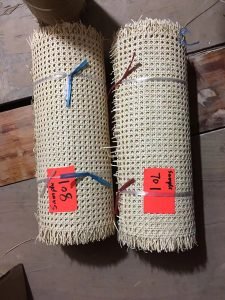
Rattan cane webbing is a woven natural material made from the rattan vine — a climbing plant native to tropical regions. It’s a timeless favorite in the furniture industry for its strength, flexibility, and intricate woven beauty. If you’ve ever admired the elegant pattern on vintage chairs, cabinets, or headboards — that’s rattan webbing at work.
Why Rattan Cane Webbing is Trending
The global shift toward eco-friendly and natural interior design has revived rattan’s popularity. From boho-style lounges to Scandinavian-inspired homes, rattan brings a warm, earthy charm that plastic or metal simply can’t replicate.
Understanding the Basics of Rattan Cane Webbing
The Origin and History of Rattan
Rattan has been used for centuries in Southeast Asia, particularly in Indonesia, the Philippines, and Malaysia. It’s one of the strongest natural fibers available, often compared to bamboo but with more flexibility. Traditionally, artisans have used it for furniture, baskets, and even building materials.
Types of Rattan Cane Webbing
The most common types are natural rattan, pre-woven cane webbing, and synthetic (PVC) versions. Natural webbing offers a classic aesthetic, while synthetic types provide durability and weather resistance.
The Difference Between Natural and Synthetic Cane
Natural cane is breathable, sustainable, and biodegradable — perfect for indoor furniture. Synthetic rattan, made from polyethylene or PVC, is water-resistant and ideal for outdoor applications.
Benefits of Using Rattan Cane Webbing
Eco-Friendly Material
Rattan grows fast and regenerates quickly, making it one of the most sustainable materials on the planet. It helps reduce deforestation by offering a renewable alternative to wood.
Durability and Flexibility
Despite its lightweight structure, rattan is exceptionally strong and long-lasting. Its flexibility allows it to be bent into various shapes, making it perfect for modern furniture designs.
Aesthetic Appeal
The woven texture of cane adds elegance and character to any piece of furniture. It’s naturally inviting, warm, and visually soothing — making spaces feel more organic and grounded.
Versatility in Design
From chairs and room dividers to wall panels and lighting fixtures, rattan webbing can be used anywhere. Designers love its adaptability across modern, rustic, and vintage themes.
Applications of Rattan Cane Webbing
Furniture Industry Uses
Rattan cane is commonly used in chairs, sofa backs, cabinet doors, and bed headboards. Its breathability makes it ideal for seating furniture, offering comfort and style.
Home Décor and Interior Design
Interior designers incorporate cane panels into walls, ceilings, and decorative screens for texture and charm.
DIY Projects and Crafts
Cane webbing is a favorite among DIY enthusiasts. It’s easy to cut, shape, and install — perfect for creating personalized projects like lampshades or storage boxes.
Wholesale Rattan Cane Webbing Market Overview
The global demand for rattan cane webbing has soared as sustainability becomes a design priority. Indonesia remains the largest exporter, followed by Vietnam, the Philippines, and Thailand. The wholesale market caters to furniture manufacturers, interior decorators, and DIY suppliers worldwide.
How to Choose the Best Wholesale Rattan Cane Webbing Supplier
Factors to Consider Before Buying
When selecting a wholesale supplier, consider product quality, pricing, shipping times, and customer reviews. Always request samples before making a large purchase.
Quality Standards and Certifications
Look for suppliers with quality certifications like ISO or FSC (Forest Stewardship Council) to ensure the materials are responsibly sourced.
Comparing Pricing and MOQ
Wholesale prices depend on the order size and weave type. Typically, suppliers offer better rates for larger orders with a set minimum order quantity.
Types of Rattan Cane Webbing Available for Wholesale
- Open Weave (Traditional ½” Hole): Classic and breathable — ideal for chair backs.
- Closed Weave: Tighter pattern for privacy screens and wall panels.
- Radio Weave: A decorative option with a radial pattern for artistic projects.
- Diamond and Star Patterns: Unique designs for luxury and custom furniture.
How Rattan Cane Webbing is Made
The process begins with harvesting the rattan vines, followed by peeling off the outer skin. These strips are soaked to enhance flexibility, dried under the sun, and then woven manually or by machine into intricate patterns.
Buying Wholesale Rattan Cane Webbing Online
Platforms like Alibaba, Made-in-China, and Etsy Wholesale offer a range of rattan cane products. Before ordering, always verify supplier credibility, read customer feedback, and check return policies.
Care and Maintenance of Rattan Cane Webbing
Cleaning Tips
Dust regularly and clean with a damp cloth. Avoid soaking cane furniture, as excess water weakens the fibers.
Preventing Mold and Mildew
Keep rattan in a well-ventilated area. Use mild detergent or vinegar to clean any mildew spots.
Repair and Replacement Tips
Loose or sagging cane can often be tightened by dampening and allowing it to dry naturally.
Cost Analysis of Wholesale Rattan Cane Webbing
Prices vary depending on material and pattern.
- Natural rattan: $3–$10 per foot
- Synthetic rattan: $5–$15 per foot
Bulk buyers can negotiate discounts directly with manufacturers.
Eco-Friendly and Sustainable Aspects
Rattan harvesting encourages forest preservation by providing an economic reason to protect trees. Unlike synthetic alternatives, it’s biodegradable and supports local economies in rural communities.
Trends in Modern Rattan Furniture Design
Designers are blending rattan with metal and glass for contemporary aesthetics. The “boho-chic” and “tropical modern” styles continue to dominate luxury interior markets.
Common Challenges in the Rattan Wholesale Business
Some challenges include inconsistent quality, shipping delays, and rising raw material costs. Partnering with trusted suppliers ensures product reliability and long-term business success.
Conclusion
Wholesale rattan cane webbing continues to gain global recognition for its sustainability, beauty, and versatility. Whether you’re a furniture maker or an interior designer, investing in high-quality rattan webbing can transform your creations into timeless masterpieces.
FAQs
1. What is the average price of wholesale rattan cane webbing?
It ranges from $3 to $15 per foot, depending on quality, design, and supplier location.
2. Can rattan cane webbing be used outdoors?
Yes, but synthetic rattan is preferred for outdoor use due to its water resistance.
3. How do I maintain cane furniture?
Regular dusting, gentle cleaning, and avoiding excessive moisture are key to longevity.
4. What’s the difference between rattan and wicker?
Rattan is a natural vine, while wicker refers to the weaving technique used on rattan or other materials.
5. Is synthetic rattan better for commercial use?
Yes, synthetic versions are more durable and weatherproof, making them ideal for high-traffic or outdoor areas.

 English
  Español de México
  العربية
  Deutsch
  Français
  Русский