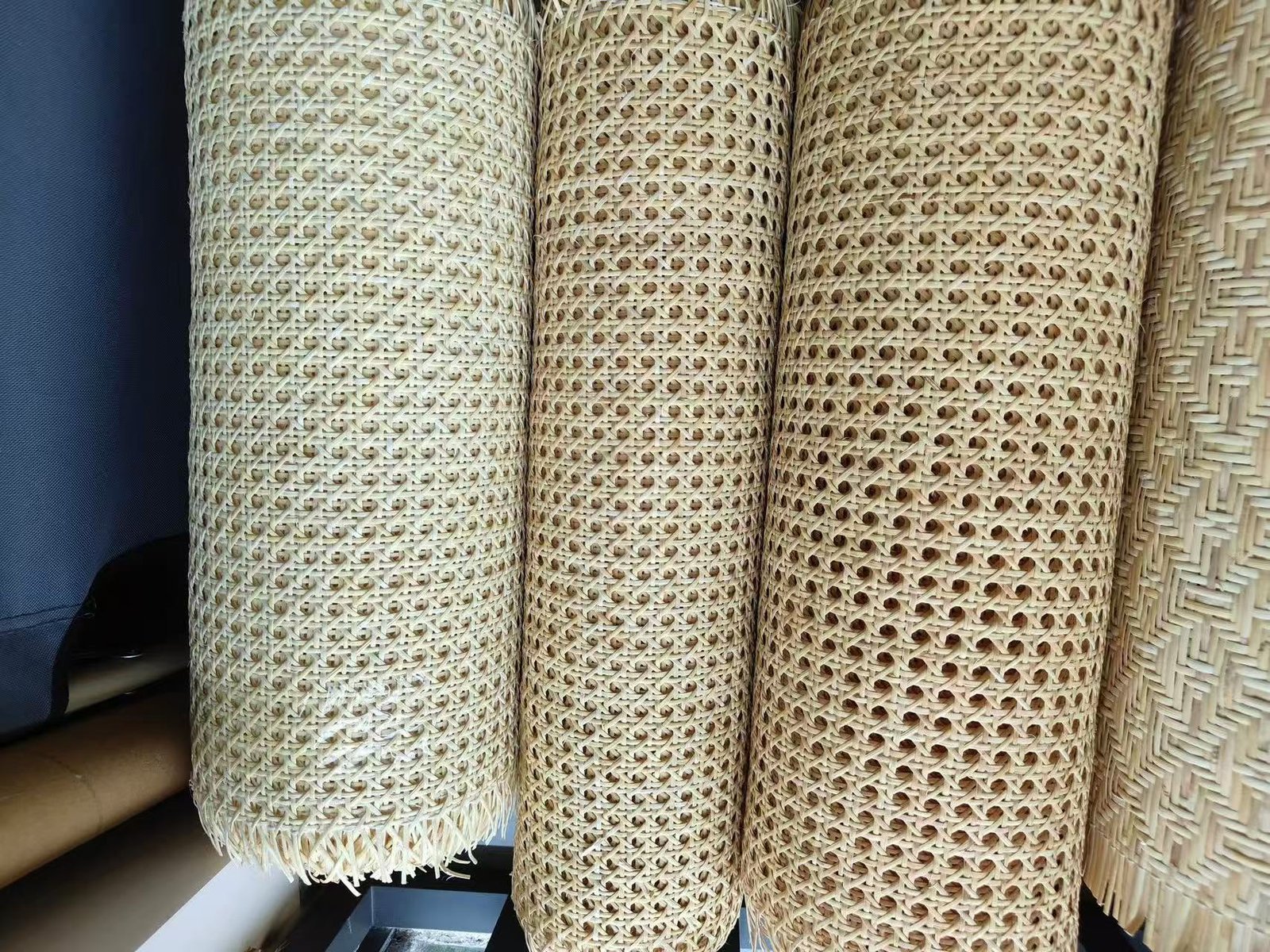
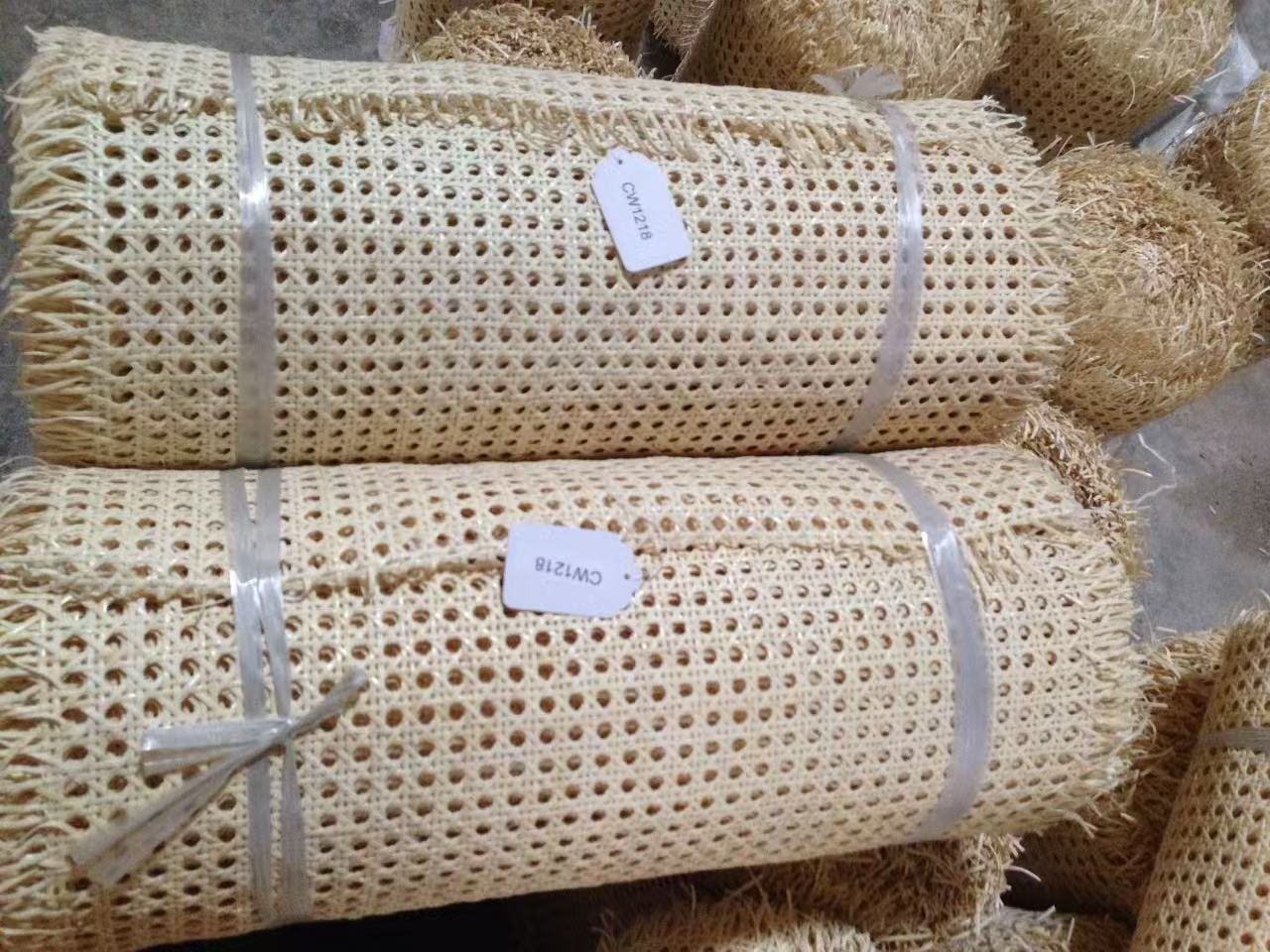
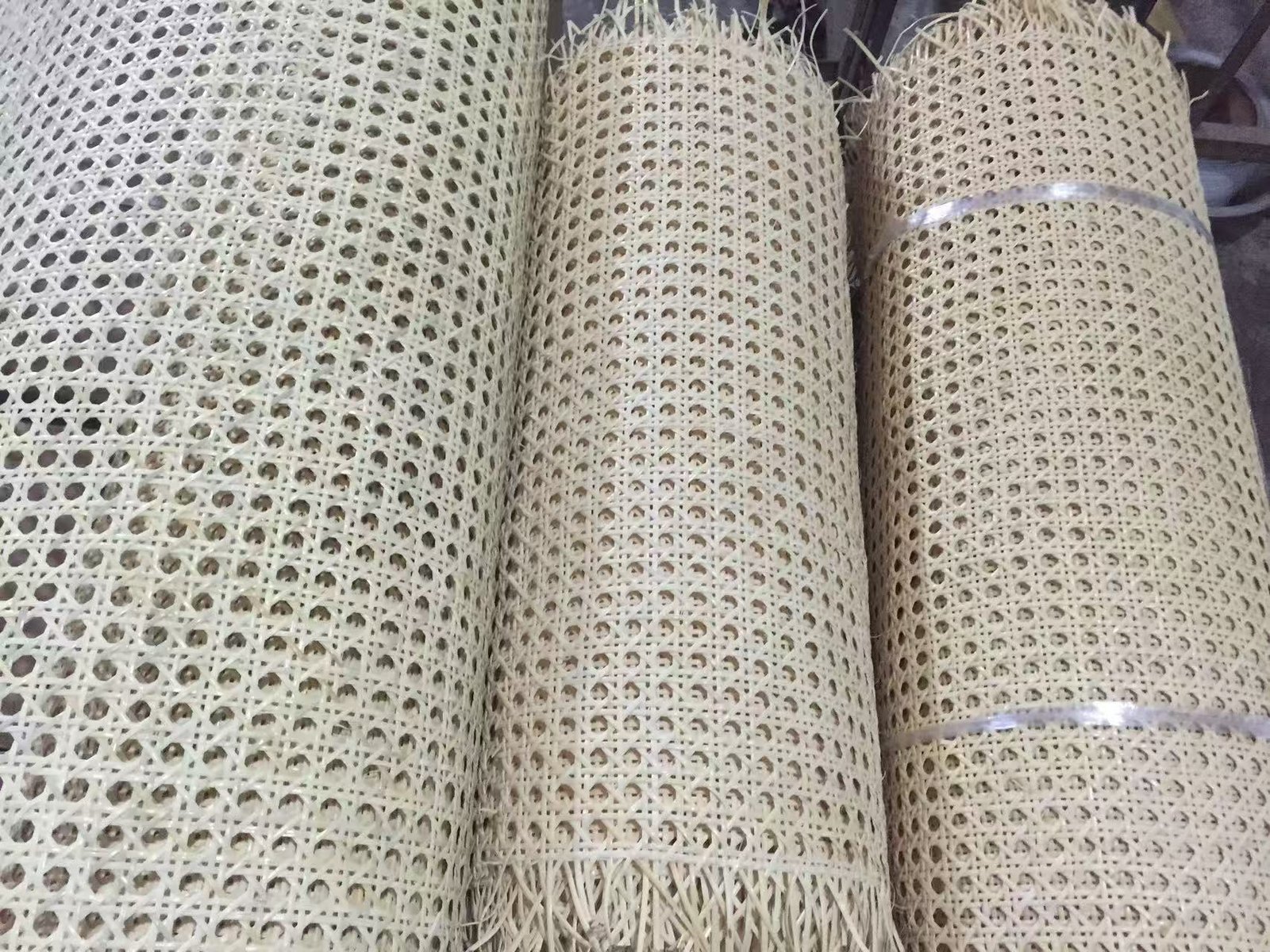
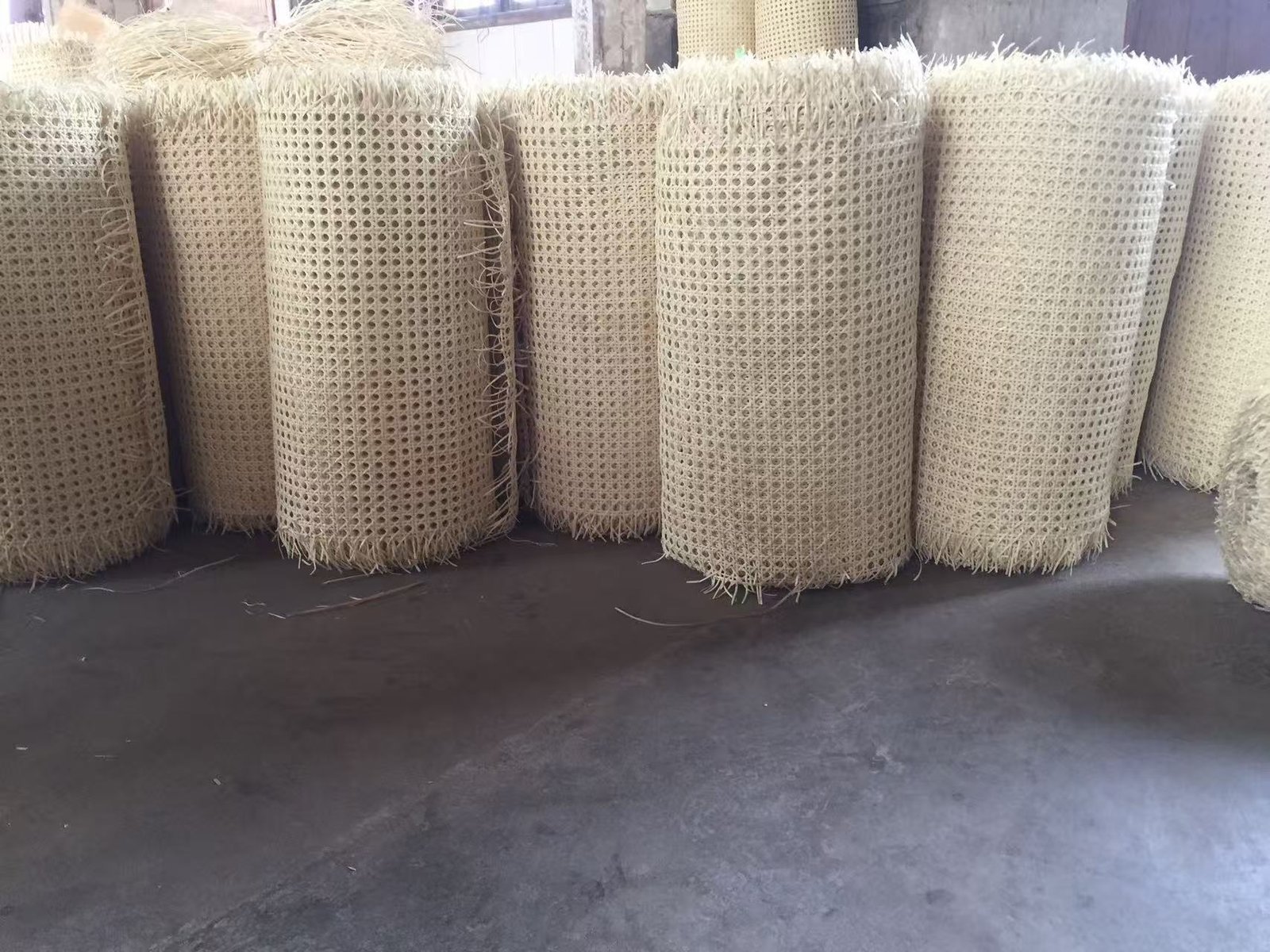
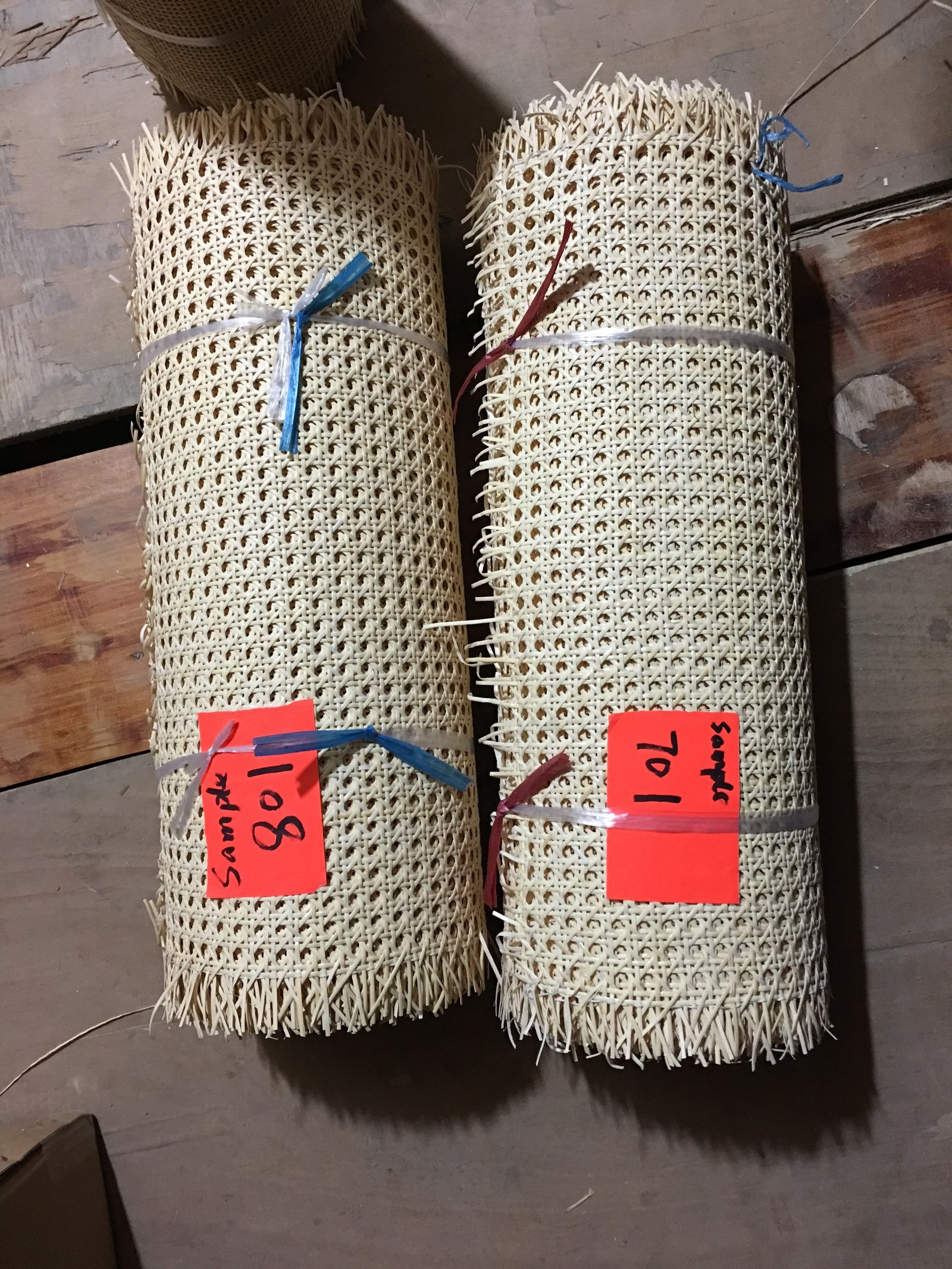
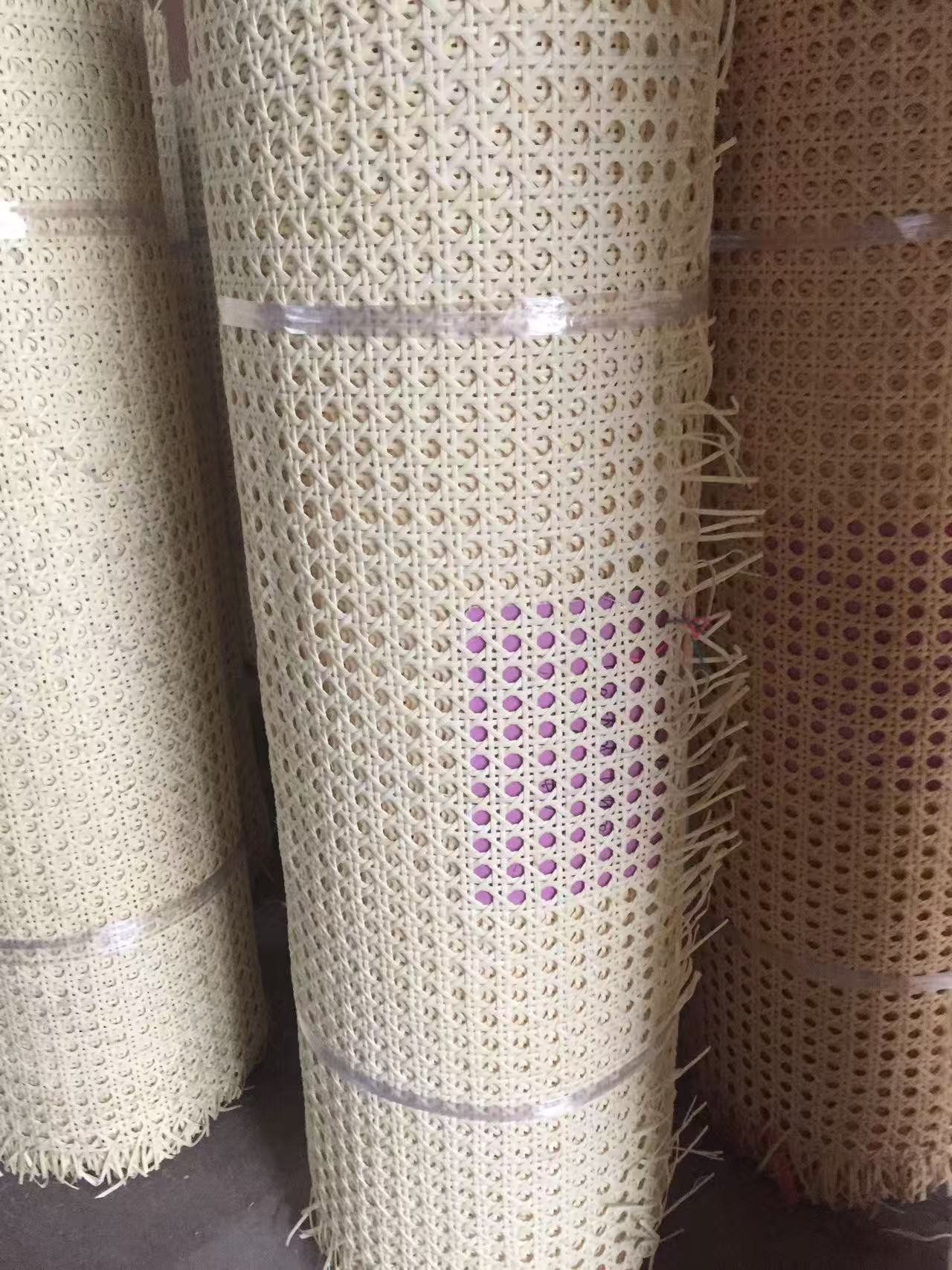




Seafan Rattan supplies natural cane webbing rolls in different patterns, grades and common widths for furniture manufacturers, material distributors and interior projects.
Our family’s rattan cane webbing production roots date back to 1995. We help buyers confirm the pattern, width, grade and finish before quotation.
Natural cane webbing is a traditional woven material made from natural rattan cane strands.
It is supplied in rolls and widely used for furniture manufacturing, cabinet doors, chair backs, headboards and interior decorative projects.
Produced with skilled weaving techniques and experience.
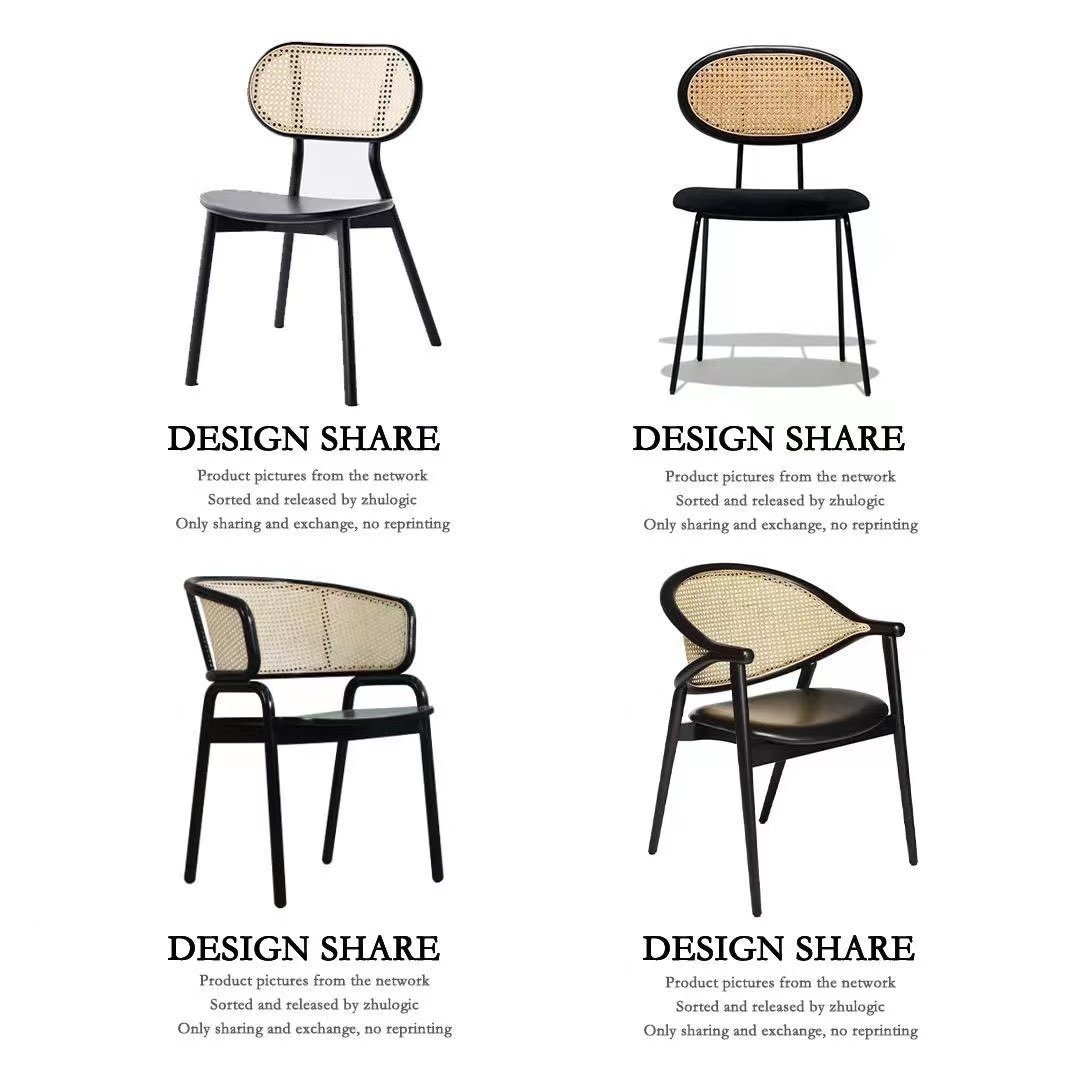
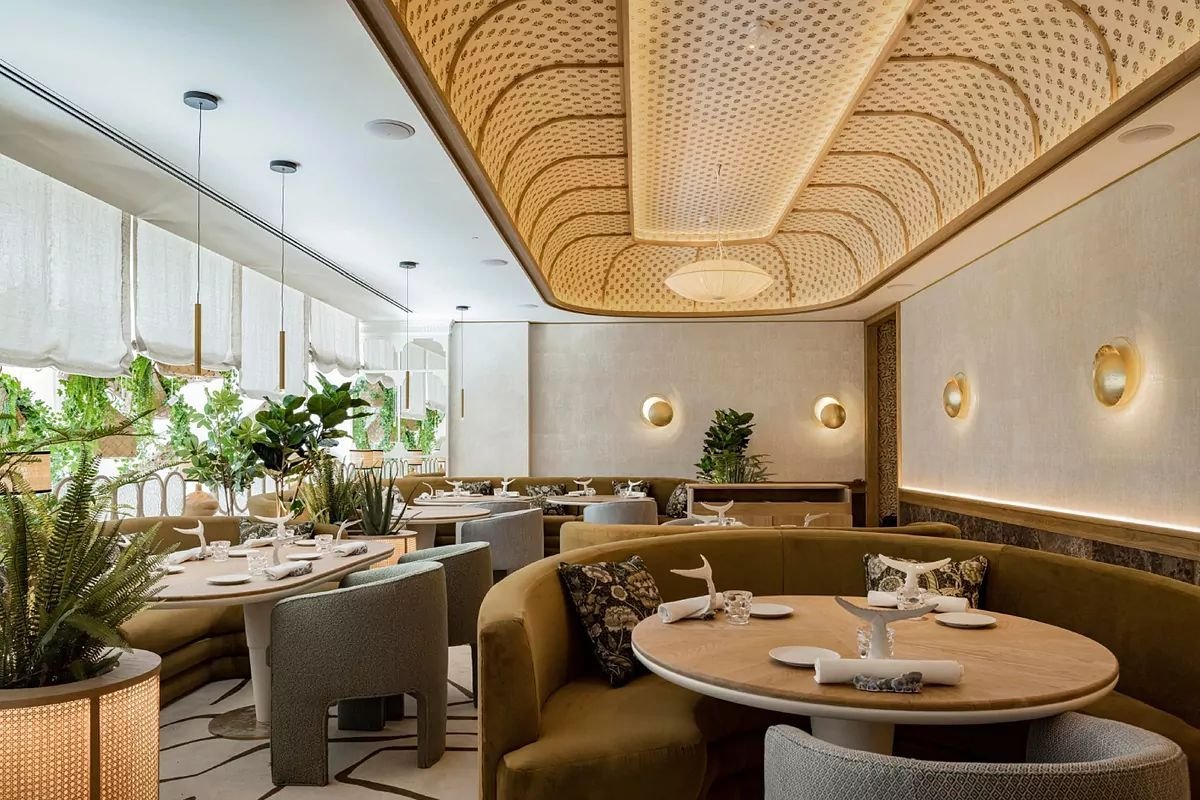
Suitable for chairs, cabinets, panels and decoration projects.
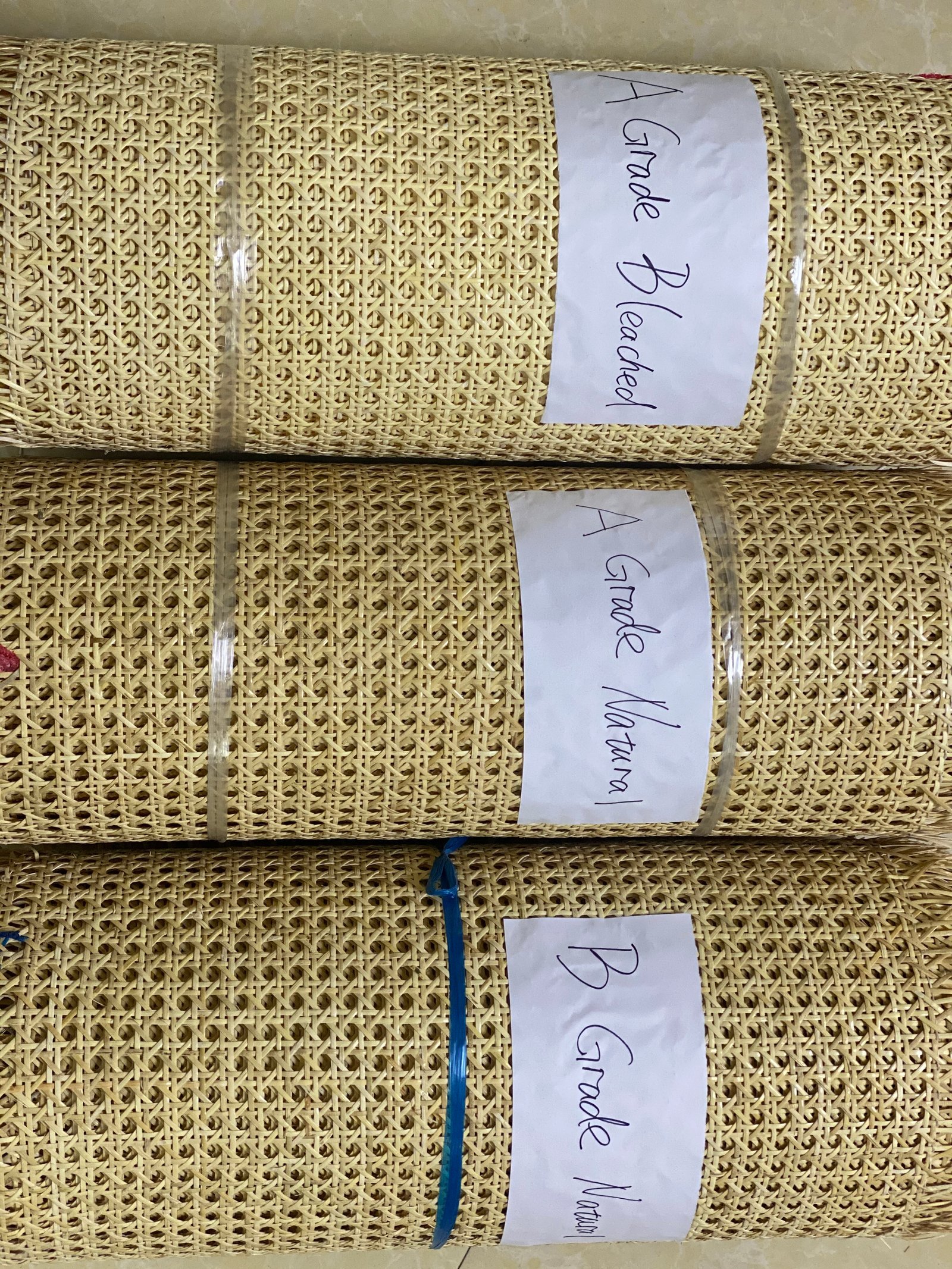
Different grades offer different appearances, durability and price levels. Choose the right rattan cane webbing according to your furniture requirements.
The highest quality natural cane webbing made from premium chair cane.
It offers the whitest appearance and the best temper among all grades.
A reliable quality option with good appearance and durability.
Slightly less white than A Grade but more affordable.
A natural and economical option with visible green lines.
It provides excellent temper and durability for general applications.
A more economical grade suitable for decorative applications.
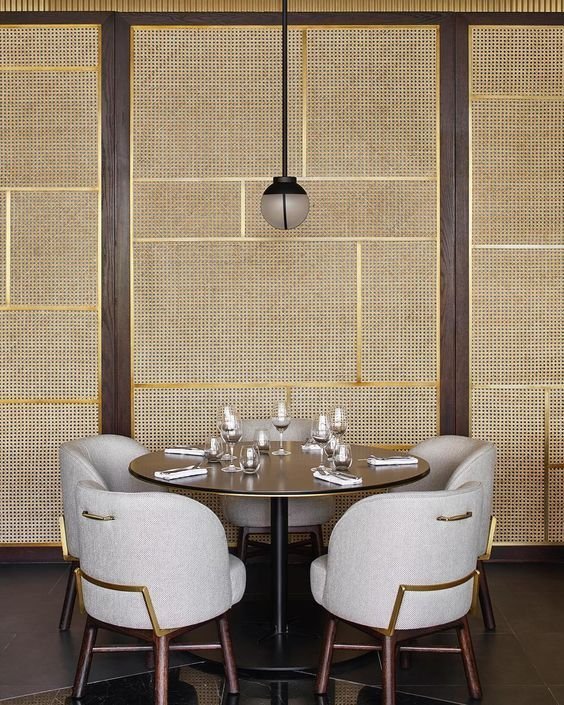
The appearance varies, making it ideal for wall covering and interior decoration.
Bleached options provide a whiter appearance and improved temper. Available in multiple grades to suit different applications.
Premium bleached webbing with enhanced whiteness and superior temper. Ideal choice for high-quality rattan chairs.
Bleached with visible green lines retained. Maintains excellent temper at an economical price point.
Much whiter appearance resembling A grade. Better temper than natural, perfect for wall covering and decoration.
Bleached Rattan Cane webbing can be more beautiful, stronger for furniture making, easier for decoration for the home or hotel project.
Each Grade of the Rattan Cane Webbing Rolls can be bleached.
And we have 2 choice for Bleached Rattan Cane Webbing Rolls:
Bleached White Color or Bleached Yellow Color
Compare patterns, roll dimensions, grades and finishes before requesting a quotation.
Watch a closer view of cane webbing materials,
roll formats and production-related details.
Select the weave pattern that matches your furniture design and application needs.
Choose the roll width and dimensions according to your project requirements.
Choose the suitable grade and finish based on appearance, quality and budget.
Tell us your quantity and usage, so we can prepare the right quotation.
+86 13927710930
Follow us on LinkedIn
Follow us on INS
Tell us your size and quantity requirements and we’ll reply quickly.
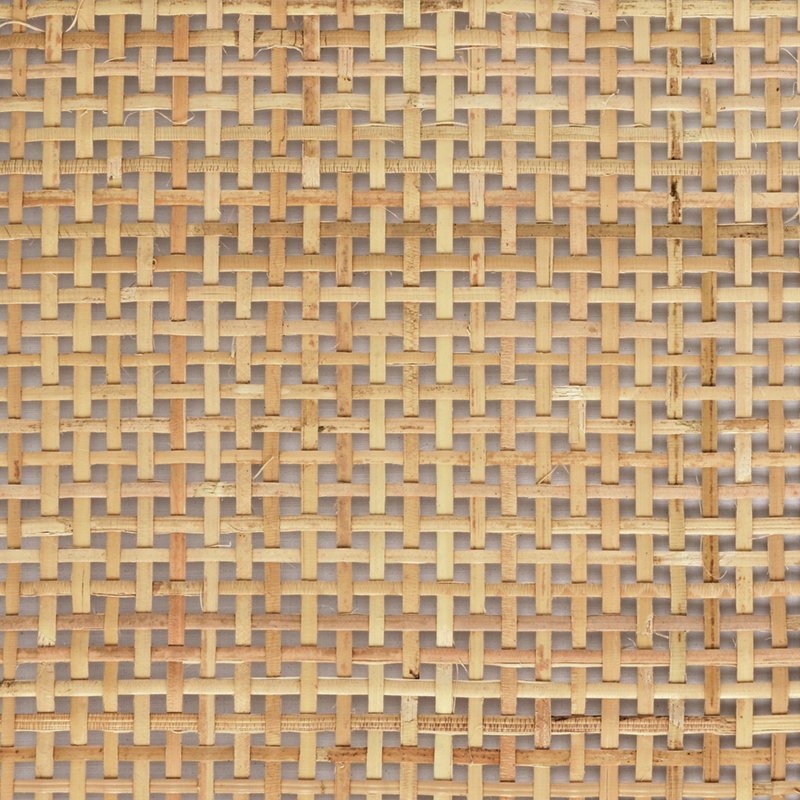
Classic square hole pattern with balanced strength.
Widely used for cabinet doors, chairs and furniture panels.
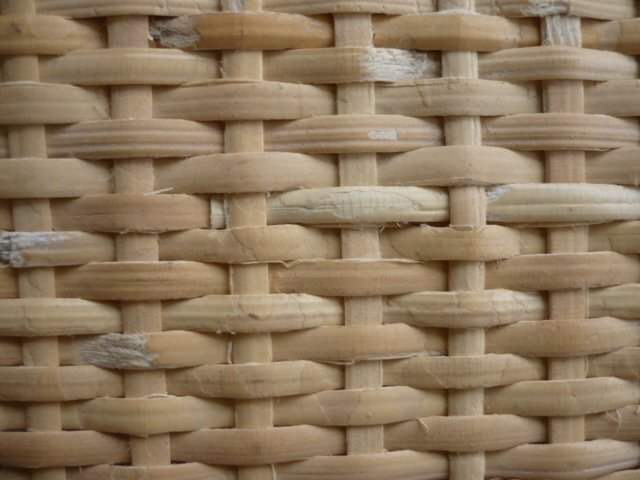
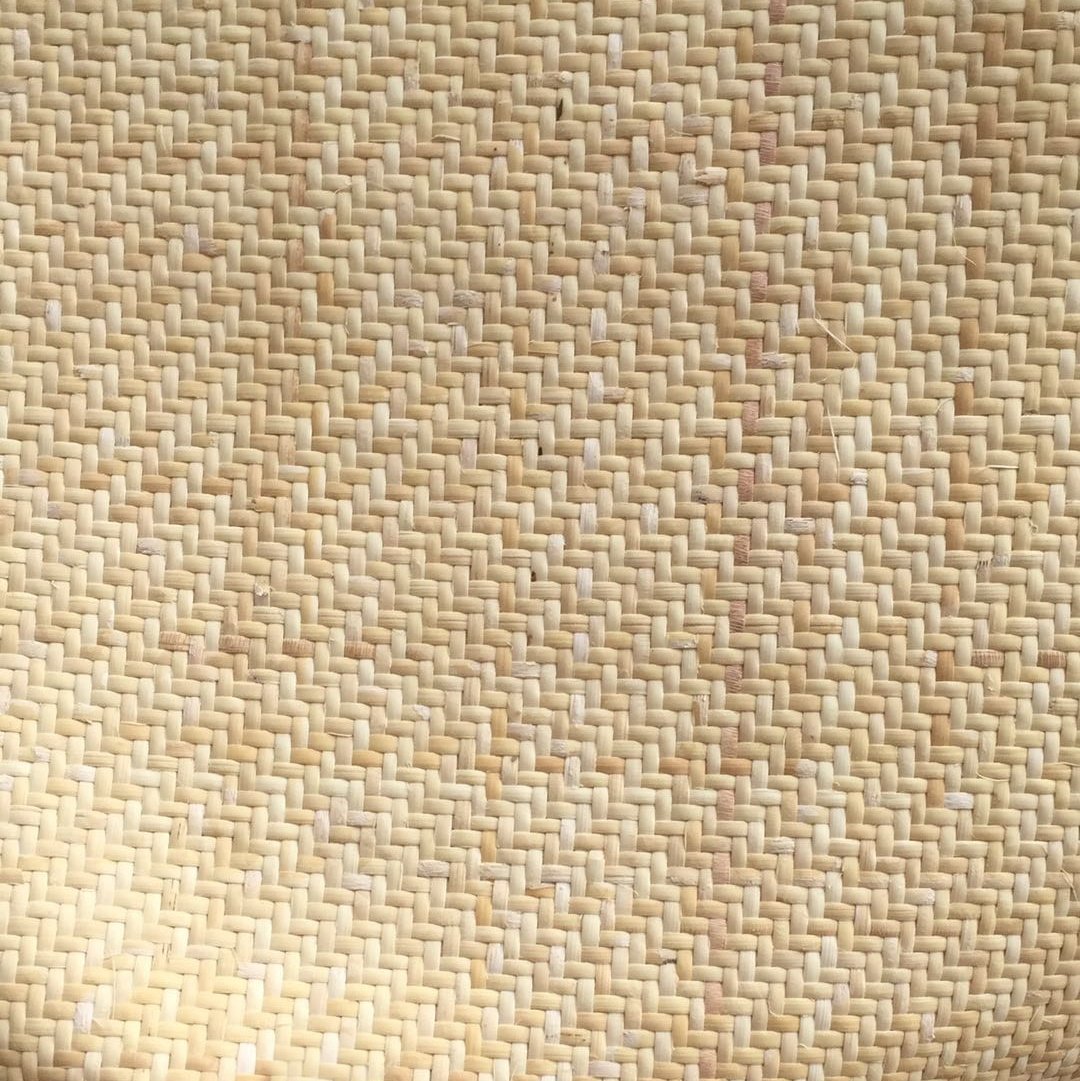
Dense weaving structure with a smoother surface.
Suitable for decorative panels and furniture applications.
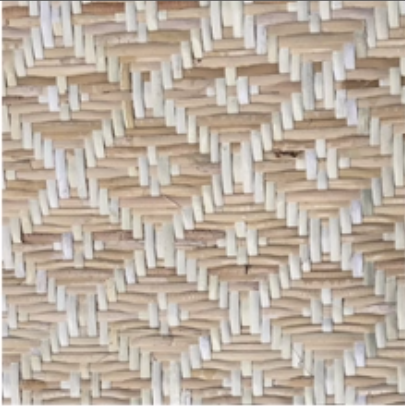
Elegant herringbone design for premium furniture and interior decoration. Fit for lampshades, table, chairs.
Our Natural Woven Mesh Cane is great ideal for much wooden furniture and craft projects.
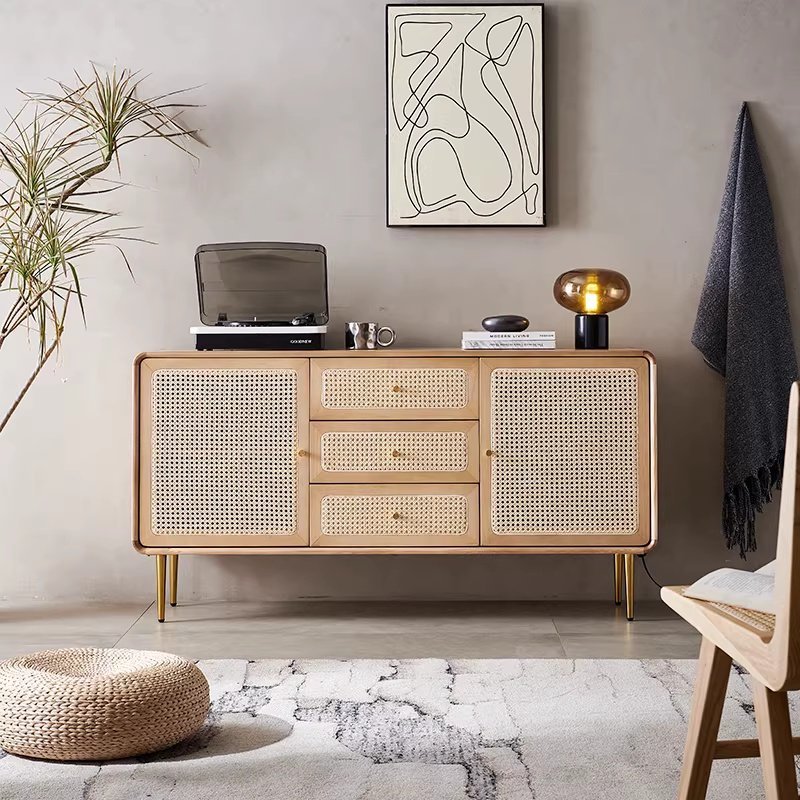
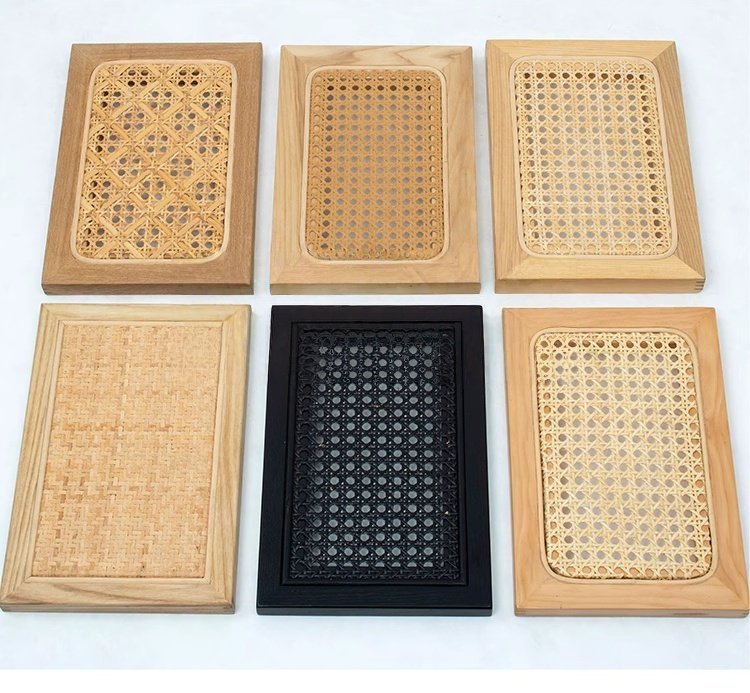
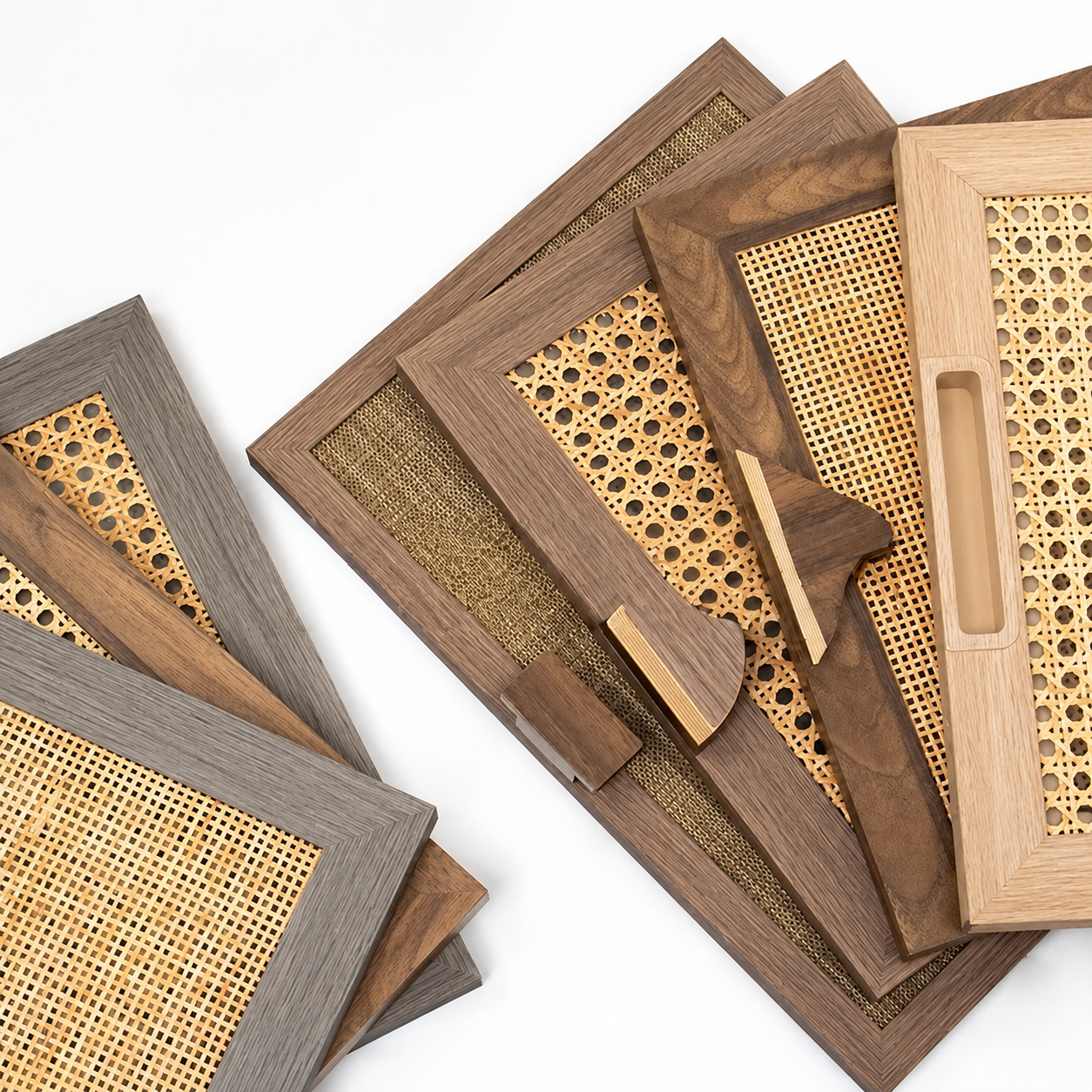
Combine natural wood with rattan cane webbing to create stylish furniture, cabinet doors and interior panels with a warm handmade appearance.
Combine aluminum frames with rattan webbing for modern furniture, room dividers and architectural interior applications.
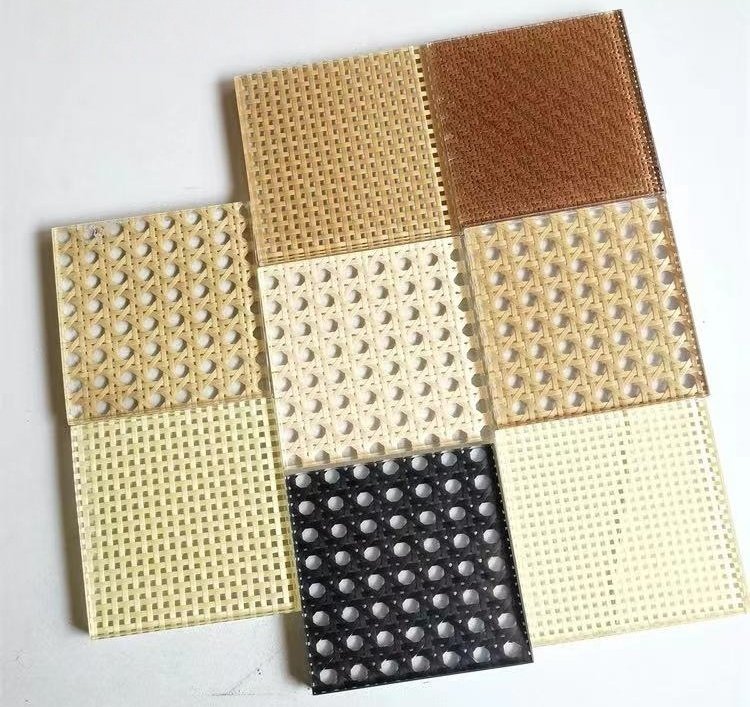
Combine woven rattan mesh with glass or PETG panels for decorative surfaces, cabinet applications and creative interior projects.
Common questions about natural rattan cane webbing rolls, grades, widths and ordering.
Natural rattan cane webbing is a woven material made from natural rattan strips. It is widely used for furniture applications such as cabinet doors, chair backs, wall panels and interior decoration.
Our natural cane webbing rolls are made from selected rattan materials and are available in different weaving patterns, widths and grades for wholesale and custom projects.
We provide various natural rattan cane webbing patterns, including square mesh, radio weave, close weave and decorative weaving styles.
Different patterns are suitable for furniture, cabinet doors, chairs, room dividers and interior design projects.
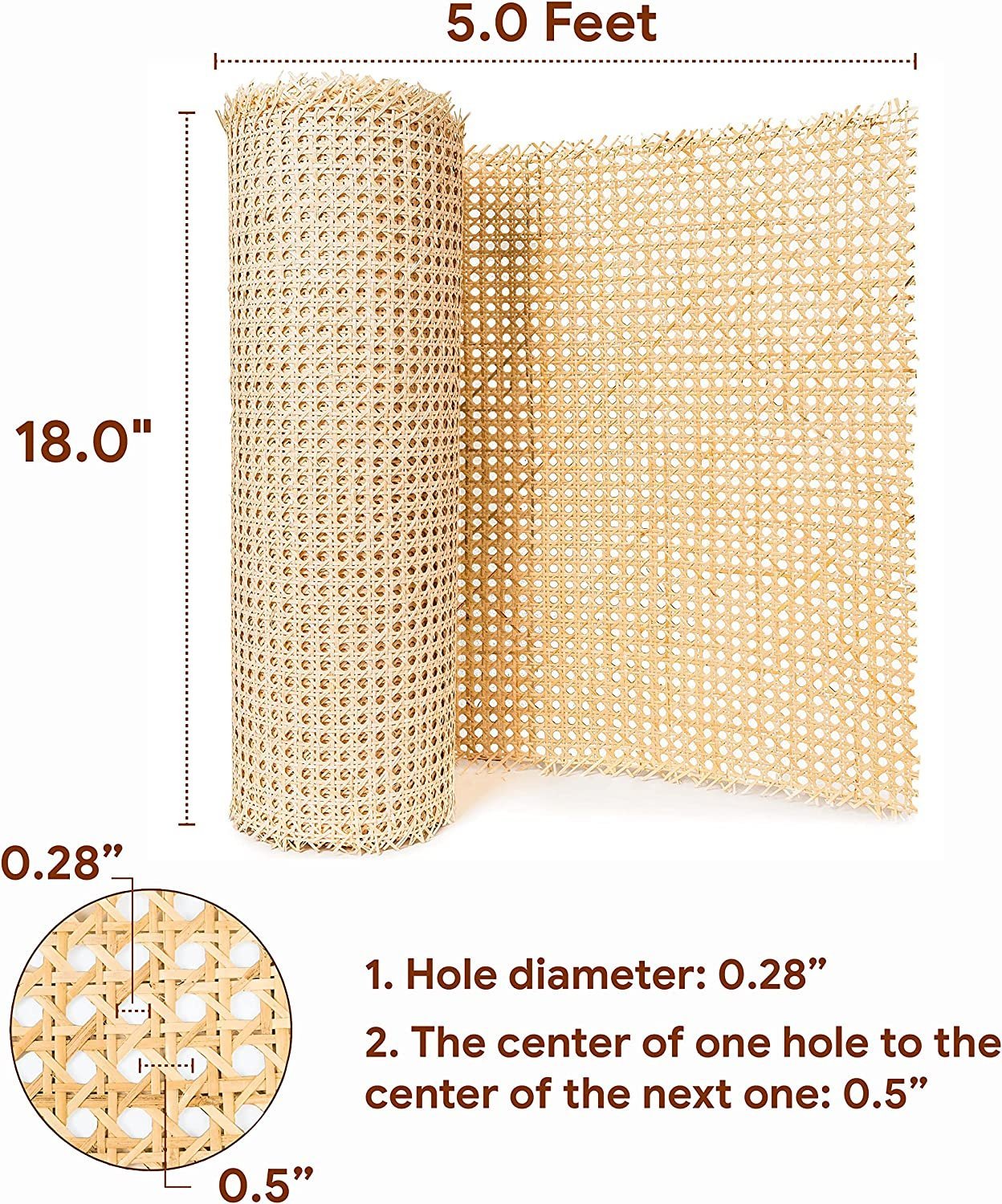
Natural rattan cane webbing rolls are available in common widths including 18″, 20″, 24″, 30″, 32″ and 36″.
Please contact us with your required size, pattern and quantity. We can recommend suitable options for your project.
Natural rattan cane webbing is available in different grades based on appearance, material selection and weaving quality.
Higher grades usually have more consistent color, cleaner surfaces and better appearance for premium furniture applications.
Yes, we supply both natural finish and bleached natural rattan cane webbing.
The suitable finish depends on your furniture design, color requirements and interior application.
To provide an accurate quotation, please share your required material, weaving pattern, width, quantity, application and any special requirements.
Photos or drawings are also helpful for custom projects.
We source natural rattan raw materials from Indonesia for our cane webbing production. The selected materials are evaluated according to flexibility, appearance and suitability for different weaving requirements.
Material availability, grade and price may vary according to the season and raw material conditions.
Detailed buyer guides for natural rattan cane webbing materials, grades, patterns and specifications.
Natural rattan cane webbing is a woven material made from natural rattan strips. It is commonly used for cabinet doors, chair backs, furniture panels and interior decoration.
Cane webbing is available in different mesh patterns, widths and grades depending on the application requirements.
High-quality natural rattan cane webbing is mainly produced from selected Indonesian rattan materials.
Common rattan species include Toniti, Batang, Manau and Saga, which are valued for their flexibility, strength and weaving performance.
Natural cane webbing grades are usually classified according to material appearance, weaving consistency and quality requirements.
Different grades are suitable for different applications, from premium furniture projects to cost-effective commercial production.
Natural cane webbing is available in various weaving patterns including square mesh, radio weave, close weave and decorative patterns.
Different patterns create different visual effects for furniture, cabinets and interior design projects.
The right cane webbing depends on furniture design, usage environment, mesh size, width requirement and quality expectations.
Buyers should confirm the pattern, width, quantity and application before quotation.
Natural rattan webbing provides an authentic handmade appearance and natural texture.
Synthetic rattan webbing offers better weather resistance and is commonly used for outdoor furniture applications.
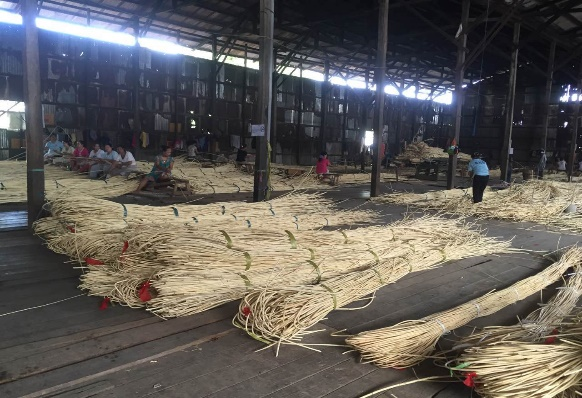
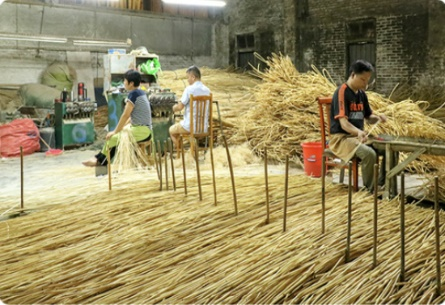
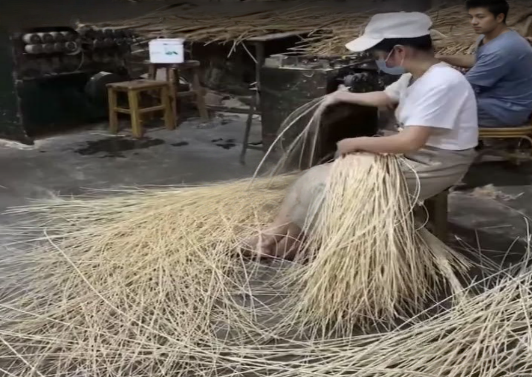
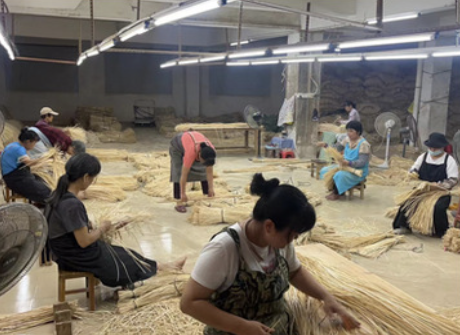
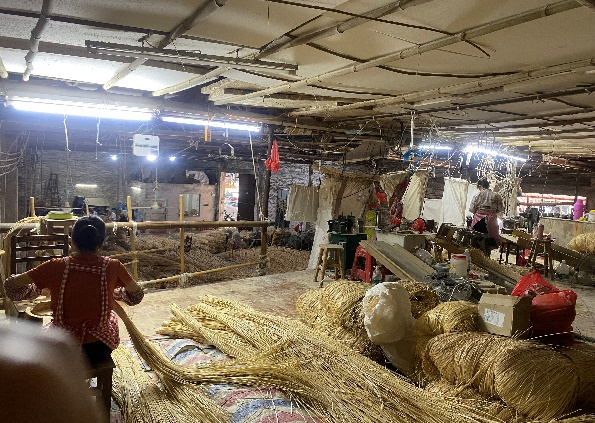
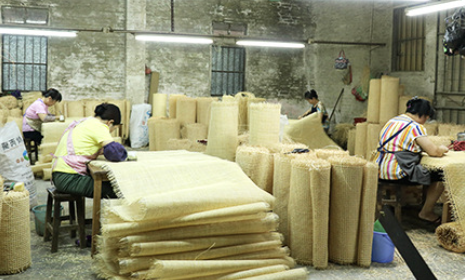
Each step in our process requires specialized skills, premium materials, and meticulous attention to detail. This comprehensive approach ensures exceptional quality while explaining the premium investment required.
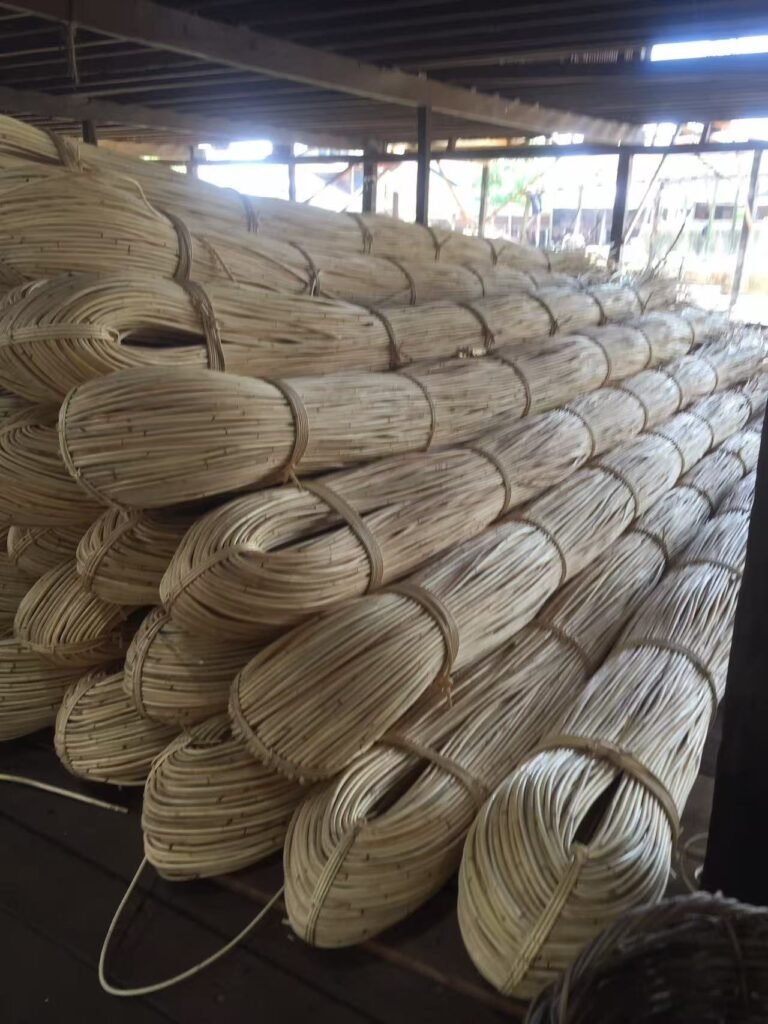
We exclusively import raw rattan material (rattan sticks) from Indonesia, the world’s premier source for high-quality rattan. Only Indonesian rattan possesses the ideal fiber density, flexibility, and natural oils necessary for superior webbing production.
Through our partner raw material factories in Indonesia, we ensure direct access to the finest rattan forests. However, supply stability remains challenging due to seasonal variations and environmental factors, contributing to year-over-year price increases.
Every rattan stick undergoes intensive washing to remove natural oils, dirt, and surface impurities. Simultaneously, we perform initial size separation to categorize materials by diameter and quality grade, ensuring optimal processing efficiency in subsequent steps.
Our washing system includes soaking baths, rotating brush stations, and controlled drying chambers. This process takes 4–6 hours per batch and requires skilled operators to monitor water quality and cleaning effectiveness.
Specialized machinery separates each rattan stick into its core and peel components. The rattan peel, which becomes our weaving material, is then processed into precise 2.2–2.5mm strips. This mechanical process requires constant calibration and skilled operation to maintain consistency.
Our German-engineered separation machines use adjustable blade systems to achieve precise strip widths. Each machine requires a dedicated operator and produces approximately 500 strips per hour with minimal waste.
The rattan peel strips undergo final sizing through specialized machinery to achieve our exact 2.2–2.4mm specification. This critical step ensures uniform weaving tension and consistent final product quality. Any deviation in strip width affects the entire webbing structure.
Our calibration machines use laser measurement systems to verify each strip meets our exacting standards. Strips outside tolerance are automatically rejected, maintaining our 99.5% consistency rate but adding to material costs.
Our skilled quality control specialists manually inspect every rattan strip, removing any pieces with imperfections, inconsistent color, or structural weaknesses. This entirely manual process ensures only premium-grade materials proceed to weaving, directly impacting our labor costs.
Each quality control specialist undergoes 6 months of training to identify subtle defects. They can process approximately 2,000 strips per day, rejecting 10–15% of materials to maintain our quality standards.
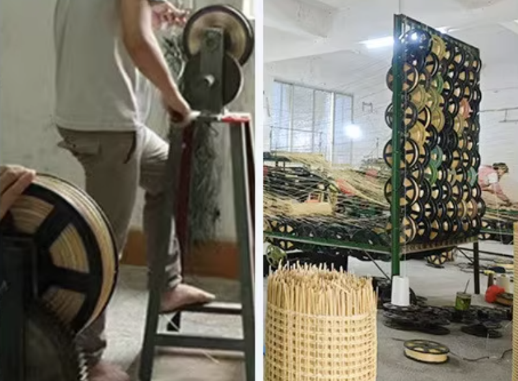
Workers must hand-roll the approved rattan strips into individual coils. Each weaving machine requires approximately 300 prepared rolls before operation can begin. This preparatory work is entirely manual and represents a significant portion of our labor investment.
Each worker can prepare 60–80 rolls per day, meaning a full machine setup requires 4–5 worker-days of preparation time. The rolls must be perfectly uniform to ensure smooth machine operation and consistent tension.
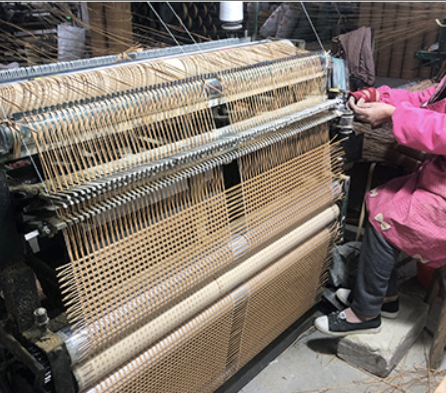
Our specialized weaving machines create the foundational structure of the rattan webbing. Each machine can produce approximately 20 rolls per day, requiring constant operator supervision and frequent adjustments. The limited daily output directly contributes to our pricing structure.
Each weaving machine requires a skilled operator who monitors tension, adjusts weave patterns, and performs real-time quality control. Machine maintenance and setup changes add significant overhead to production costs.
We exclusively import raw rattan material (rattan sticks) from Indonesia, the world’s premier source for high-quality rattan. Only Indonesian rattan possesses the ideal fiber density, flexibility, and natural oils necessary for superior webbing production.
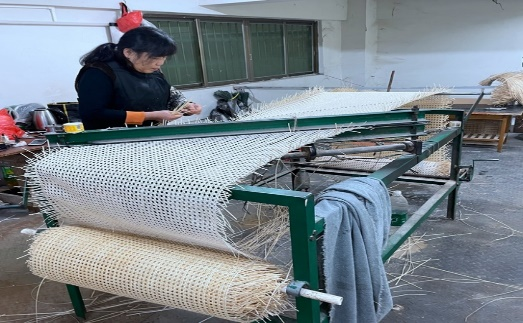
Our master weavers train for 2–3 years to achieve the precision and speed required for this work. Each artisan produces only 1 standard roll per day, making skilled labor our most significant cost factor.
Every completed webbing undergoes thorough inspection for structural integrity, pattern consistency, and material flaws. Because rattan is a natural material, minor imperfections are inevitable and must be skillfully repaired before shipment, adding additional labor costs.
Our quality control team inspects every square inch of webbing, checking for loose weaves, broken strips, and pattern irregularities. Repairs require the same skill level as original weaving.
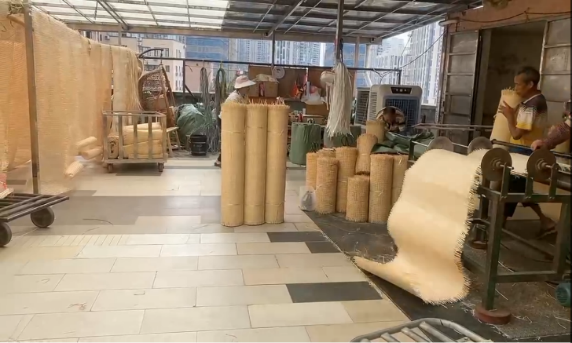
All completed webbing undergoes natural solar drying to achieve optimal moisture content for long-term stability. The drying process takes 2–3 days depending on weather conditions, after which we carefully package each roll for safe international shipment.
Our solar drying facility covers 2,000㎡ with adjustable ventilation and weather protection. Each roll is positioned and monitored to ensure uniform drying without warping or cracking.
WhatsApp us