What Factors Should You Consider When Choosing a Rattan Cane Webbing Supplier?
When choosing a rattan cane webbing supplier, you should evaluate material origin and grading, production consistency, factory credentials, pricing transpare…
Natural rattan cane webbing can be used creatively in lighting design by wrapping it around pendant frames, crafting drum lampshades, layering different weav…
When buying rattan cane webbing online, you should avoid mismatching material to your use case, ignoring hidden import costs, skipping sample requests, overl…
Yes, natural rattan cane webbing is an excellent material for wall decoration. It is lightweight, flexible, and available in rolls, pre-woven panels, and pee…
To identify authentic, high-quality rattan cane webbing, examine five key areas: the natural gloss on the outer bark side, uniform strand thickness, tight an…
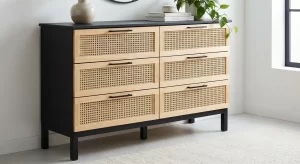
To use natural rattan cane webbing for cabinet door decoration, soak the webbing for pliability, cut it slightly oversized, staple or spline it into your doo…
Rattan cane webbing temper refers to the material’s controlled response to heat and moisture during processing. It directly determines durability, flexibilit…
To refurbish a vintage rattan chair with natural cane webbing, you need to assess the frame, remove the old damaged cane, soak new cane webbing in warm water…
The key quality indicators when sourcing rattan cane webbing include uniform strand width and thickness, consistent honey-toned color, tight and even weave t…
Natural rattan cane webbing is not recommended for permanent outdoor furniture. It is sensitive to moisture, UV rays, and temperature swings, which cause cra…
Beginners should choose rattan cane webbing grade by matching project requirements to material quality. Assess the intended use (indoor vs. outdoor), inspect…
Rattan cane webbing transforms lampshade and ceiling designs by wrapping or mounting the woven material onto frames or panels. You soak the webbing to soften…
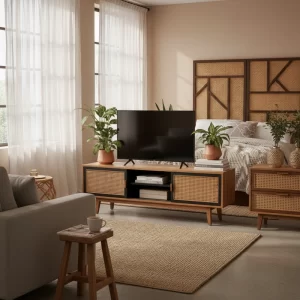
Natural rattan cane webbing is used to restore chair seats, sofa backs, cabinet door panels, headboards, coffee tables, side tables, and decorative screens. …
Yes, rattan cane webbing is well-suited for large-scale commercial and hotel interiors. When sourced as Grade A material with proper fire-retardant treatment…
For beginners, a medium-grade natural greenish Indonesian rattan cane webbing in a 3.5mm common weave is the best choice. It offers excellent flexibility, hi…
The primary difference between 50-foot and 100-foot natural rattan cane webbing rolls lies in total material volume, per-foot cost efficiency, and suitabilit…
Rattan cane webbing can be used creatively in DIY projects such as refacing cabinet doors, crafting custom lampshades, building wall art, wrapping vases, upg…
To choose the right natural rattan cane webbing grade for your budget, compare species origin, processing method, weave uniformity, and strand consistency. M…
Yes, rattan cane webbing is highly suitable for both cabinet doors and screen decoration. Its natural breathability, lightweight strength, and timeless aesth…
Yes, rattan cane webbing is an excellent choice for interior wall decoration. It adds natural texture, warmth, and organic character to any room. This lightw…
Hexagonal weave natural rattan cane webbing stands out from other patterns through its open, star-like geometric design, superior decorative appeal, and bala…
To use rattan cane webbing for vintage chair restoration, remove the old spline and cane from the groove, clean out residual glue, soak pre-woven rattan webb…
Grade A&B bleached natural rattan cane webbing uses premium, node-free rattan strips with uniform width, even bleaching color, and tight weave patterns. Grad…
The best furniture applications for rattan cane webbing include chair seats and backrests, cabinet and wardrobe door inserts, bed headboards, sofa armrests, …
Choose natural rattan cane webbing for indoor furniture that demands authentic, warm, handcrafted character and eco-friendly appeal. Choose plastic rattan me…
To convert rattan cane webbing prices from square foot to square meter, multiply the per-square-foot price by 10.764, since one square meter equals 10.764 sq…
The best project for each width of natural rattan cane webbing depends on scale and function. Narrow widths (35–50cm) suit cabinet inserts, chair caning, and…
The best rattan cane webbing width depends on your specific application: 18–24 inches works well for chair seats and small panels, 24–36 inches suits cabinet…
The 1/2″ mesh weave in natural rattan cane webbing is a pre-woven sheet made from thin rattan peel strands, where the distance from the center of one hole to…
The standard mesh density for rattan cane webbing is 1/2 inch (also called “Fine 1/2 mesh”), measured from the center of one cane strand to the center of the…
Your One Stop Rattan Supplier
When choosing a rattan cane webbing supplier, you should evaluate material origin and grading, production consistency, factory credentials, pricing transpare…
Natural rattan cane webbing can be used creatively in lighting design by wrapping it around pendant frames, crafting drum lampshades, layering different weav…
When buying rattan cane webbing online, you should avoid mismatching material to your use case, ignoring hidden import costs, skipping sample requests, overl…
Yes, natural rattan cane webbing is an excellent material for wall decoration. It is lightweight, flexible, and available in rolls, pre-woven panels, and pee…
To identify authentic, high-quality rattan cane webbing, examine five key areas: the natural gloss on the outer bark side, uniform strand thickness, tight an…
To use natural rattan cane webbing for cabinet door decoration, soak the webbing for pliability, cut it slightly oversized, staple or spline it into your doo…
Rattan cane webbing temper refers to the material’s controlled response to heat and moisture during processing. It directly determines durability, flexibilit…
To refurbish a vintage rattan chair with natural cane webbing, you need to assess the frame, remove the old damaged cane, soak new cane webbing in warm water…
The key quality indicators when sourcing rattan cane webbing include uniform strand width and thickness, consistent honey-toned color, tight and even weave t…
Natural rattan cane webbing is not recommended for permanent outdoor furniture. It is sensitive to moisture, UV rays, and temperature swings, which cause cra…
Beginners should choose rattan cane webbing grade by matching project requirements to material quality. Assess the intended use (indoor vs. outdoor), inspect…
Rattan cane webbing transforms lampshade and ceiling designs by wrapping or mounting the woven material onto frames or panels. You soak the webbing to soften…
Natural rattan cane webbing is used to restore chair seats, sofa backs, cabinet door panels, headboards, coffee tables, side tables, and decorative screens. …
Yes, rattan cane webbing is well-suited for large-scale commercial and hotel interiors. When sourced as Grade A material with proper fire-retardant treatment…
For beginners, a medium-grade natural greenish Indonesian rattan cane webbing in a 3.5mm common weave is the best choice. It offers excellent flexibility, hi…
The primary difference between 50-foot and 100-foot natural rattan cane webbing rolls lies in total material volume, per-foot cost efficiency, and suitabilit…
Rattan cane webbing can be used creatively in DIY projects such as refacing cabinet doors, crafting custom lampshades, building wall art, wrapping vases, upg…
To choose the right natural rattan cane webbing grade for your budget, compare species origin, processing method, weave uniformity, and strand consistency. M…
Yes, rattan cane webbing is highly suitable for both cabinet doors and screen decoration. Its natural breathability, lightweight strength, and timeless aesth…
Yes, rattan cane webbing is an excellent choice for interior wall decoration. It adds natural texture, warmth, and organic character to any room. This lightw…
Hexagonal weave natural rattan cane webbing stands out from other patterns through its open, star-like geometric design, superior decorative appeal, and bala…
To use rattan cane webbing for vintage chair restoration, remove the old spline and cane from the groove, clean out residual glue, soak pre-woven rattan webb…
Grade A&B bleached natural rattan cane webbing uses premium, node-free rattan strips with uniform width, even bleaching color, and tight weave patterns. Grad…
The best furniture applications for rattan cane webbing include chair seats and backrests, cabinet and wardrobe door inserts, bed headboards, sofa armrests, …
Choose natural rattan cane webbing for indoor furniture that demands authentic, warm, handcrafted character and eco-friendly appeal. Choose plastic rattan me…
To convert rattan cane webbing prices from square foot to square meter, multiply the per-square-foot price by 10.764, since one square meter equals 10.764 sq…
The best project for each width of natural rattan cane webbing depends on scale and function. Narrow widths (35–50cm) suit cabinet inserts, chair caning, and…
The best rattan cane webbing width depends on your specific application: 18–24 inches works well for chair seats and small panels, 24–36 inches suits cabinet…
The 1/2″ mesh weave in natural rattan cane webbing is a pre-woven sheet made from thin rattan peel strands, where the distance from the center of one hole to…
The standard mesh density for rattan cane webbing is 1/2 inch (also called “Fine 1/2 mesh”), measured from the center of one cane strand to the center of the…
Your One Stop Rattan Supplier